

Insights That Build Stronger Decisions
Explore technical references, material guides, industry insights, comparison studies, standards, and procurement resources created to help engineers, contractors, manufacturers, architects and traders make better decisions.
Over 100 expert articles covering timber, plywood, steel, stainless steel, aluminium, construction materials, standards and international specifications.
The reference layer behind TIC Dubai.
Cornerstone definitions, standards and material comparisons across timber, plywood, construction materials, structural steel, stainless steel, aluminium and panel products: the technical references most cited by engineers, consultants and procurement teams across the GCC.
What Is SPF Lumber? Definition, Species and GCC Applications
A technical reference on Spruce-Pine-Fir construction softwood, the species included, how it is graded, and how it is procured into GCC projects.
KD vs AD Hardwoods: Which Moisture Spec for the GCC?
The moisture spec on your RFQ decides whether your joinery survives a UAE summer. A buyers' guide to KD and AD hardwoods.
What Is WBP Glue? Phenolic Resin, Standards and How to Verify
WBP is the most-misused term in plywood procurement. A technical reference covering the resin chemistry, the actual standards that govern it, and how to verify a WBP claim instead of trusting a stamp.
What Is Marine Plywood? IS 710, BS 1088 and How to Specify
Marine plywood is not the same as WBP-bonded plywood. A technical reference covering what the standards actually require, and how to verify the difference.
MR vs BWP vs WBP Plywood: Bond Classes Explained
Three acronyms, three resin systems, three different lives in service. A clean reference on what each class actually means and when to use it.
What Is Expansion Joint Filler Board? Function and Materials
A technical reference on the most-misunderstood line item in concrete construction: the joint filler that lets structures move.
What Is Cement Board? Composition, Standards and GCC Applications
The board that replaced gypsum in wet areas and replaced asbestos in everything else. A technical reference on cement board for GCC construction.
ASTM D1751 vs ASTM D1752: Joint Filler Standards Compared
Two ASTM standards, often confused, sometimes cross-specified. A clear reference on which one covers what.
What Is Structural Steel? Definition, Grades and How It Is Specified
A foundational reference on what structural steel actually is, chemistry, sections, standards and the procurement language consultants use across GCC infrastructure.
S275 vs S355 Steel: Yield, Weldability and When to Specify Each
Two grades, one structural steel standard, and a decision that quietly shifts tonnage and cost on every GCC tender. A consultant-grade reference.
ASTM A36 vs ASTM A572: Yield, Cost and When to Specify Each
A36 is the historical default. A572 Grade 50 is increasingly the modern default. Here is the engineering and the economics behind the shift.
EN 10025 Explained: The European Structural Steel Standard
EN 10025 is the most-cited steel standard in modern GCC tenders. A consultant-grade reference covering every part of the standard and how it is used on procurement orders.
What Is a Mill Test Certificate (MTC)? How to Read and Verify
An MTC is the document that proves your steel is what you ordered. A line-by-line reading guide for procurement, QC and consultant teams.
304 vs 316 Stainless Steel: Chemistry, Corrosion and Cost
Two grades that look identical and behave very differently in chloride environments. A specification reference for architects, fabricators and marine engineers.
316 vs 316L Stainless Steel: When the L Matters
The 'L' is a carbon ceiling. It is the difference between a clean welded joint and intergranular attack in service. A short technical reference.
Duplex Stainless Steel Explained: 2205, 2507 and Lean Duplex
Twice the strength of 316, with better chloride resistance and at a competitive nickel-weighted cost. Why duplex has displaced 316 on serious marine and oil & gas tenders.
6061 vs 6063 Aluminium: Structural vs Architectural Extrusion
Same 6xxx family, same Al-Mg-Si chemistry, two different jobs. 6061 is the engineering structural alloy; 6063 is the architectural extrusion alloy. A specification reference.
MDF vs HDF vs Particle Board: Density, Cost and Application
Three wood-based panels that look similar from the edge and behave very differently in service. A substrate selection reference for joinery and fit-out.
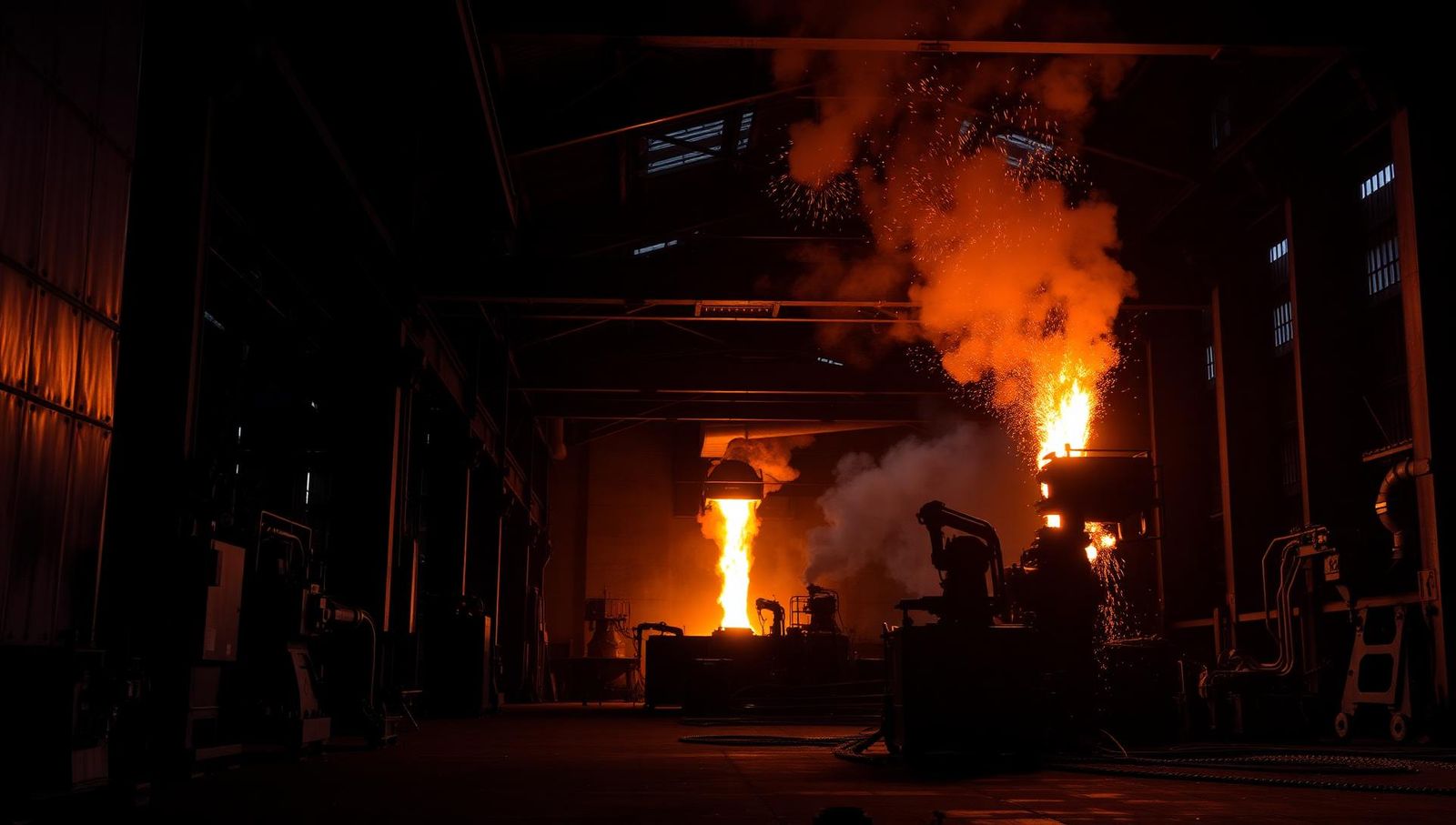
Structural Steel Standards in UAE and Saudi Arabia
A practical reference for consultants and fabricators specifying structural steel across GCC projects, covering EN, ASTM and BS standards in use today.
ASTM vs EN Structural Steel: A Practical Comparison
When projects accept either system, knowing the real equivalences and the gaps protects fabrication budgets and structural integrity.
H Beam vs I Beam: Selection Guide for GCC Construction
The choice between H and I sections changes connection design, fabrication cost and erection schedule. A field guide for engineers and fabricators.

Aluminium Alloy Selection Guide for GCC Projects
The four most-used alloy families across GCC industry, what they excel at, and how to specify them without surprises at fabrication.
5052 vs 5083 Aluminium: Which One Should You Specify?
Both are 5xxx-series marine-grade alloys, but they're not interchangeable. Where each one wins, and what it costs.
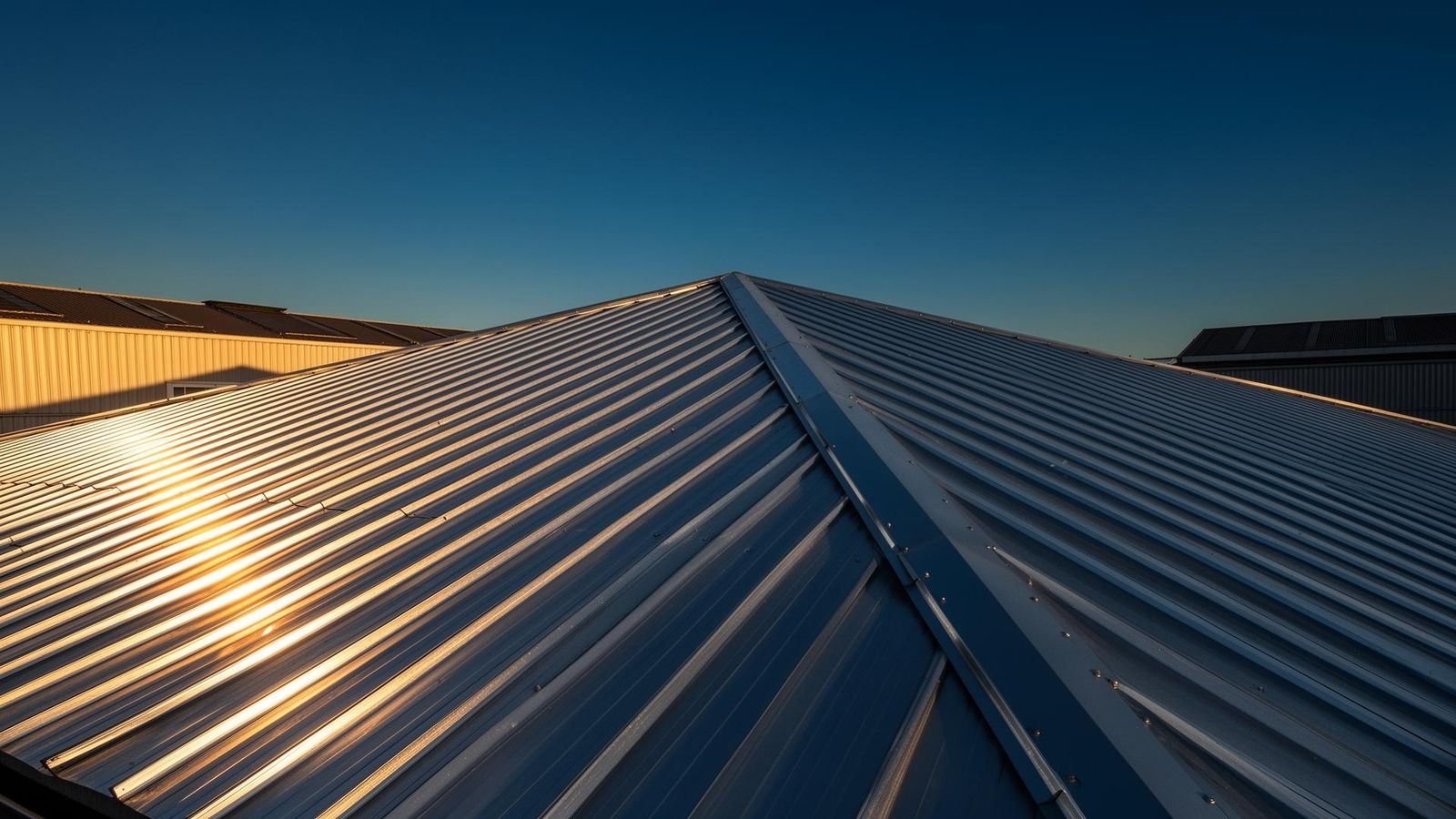
GI Zinc Coating Standards in GCC Construction
The number after the Z matters more than the colour of the coil; here is a contractor's guide to GI zinc coating across GCC construction.

Thailand MDF vs China MDF: What's Actually Different
Both regions ship enormous MDF volumes into the GCC, but the products are not identical. A buyer's guide.
HMR MDF Explained: Where Moisture-Resistant Boards Earn Their Cost
HMR is not waterproof, but in GCC bathrooms, kitchens and humidity-prone fit-outs, it's the difference between a board that holds and one that swells.

Film Faced Plywood: A Contractor's Guide for the UAE
Choosing film-faced plywood is about reuse economics: what density, glue line and film weight buy you on a real GCC pour schedule.
Superform by Korindo: When the Premium Grade Pays Back
Superform sits at the top of Korindo's range. Where it earns its premium on real GCC pour schedules.

African Hardwood Guide for GCC Joinery
African and tropical hardwoods are the backbone of GCC luxury joinery. A practical species selector for architects and joineries.

Wire Nail Selection Guide for GCC Contractors
Container-volume wire nail procurement across the GCC: the sizes that actually move, and how to spec them.

Scaffolding System Selection for UAE Projects
Frames, props, H20 beams and the accessories that hold them together: a procurement guide for GCC contractors.
GCC Ports and the Construction Materials Supply Chain
Port choice quietly drives lead time, demurrage exposure and inland trucking cost. A procurement-side view of GCC logistics for construction materials.
Construction Materials Procurement Across the GCC
Lead times, container economics, mill-direct sourcing and the regional logistics layer that quietly decides whether a project hits its concrete pour date.
Film Faced Plywood Specification Guide for Consultants
A technical reference for engineering consultants writing formwork specifications for GCC concrete projects, covering every parameter that matters.
Film Faced Plywood Procurement Guide
How procurement teams source film-faced plywood at the right quality, price and schedule for GCC construction programmes.
How to Evaluate Film Faced Plywood Quality Before Purchase
A pre-purchase inspection protocol that protects contractors from buying under-spec film-faced plywood on GCC projects.
Film Faced Plywood Checklist for Contractors
Print-ready checklist for site foremen and QC teams receiving film-faced plywood deliveries across UAE, Saudi Arabia and GCC projects.
Film Faced Plywood for Mega Projects in Saudi Arabia
Saudi giga-projects demand formwork materials that survive intense pour schedules. How premium film-faced plywood reduces cost per pour on NEOM-scale programmes.
Film Faced Plywood for High-Rise Construction in UAE
High-rise construction in Dubai and Abu Dhabi demands formwork that keeps pace with 4-day slab cycles and delivers finish quality on every floor.
Film Faced Plywood for Infrastructure Projects in Egypt
Egypt's infrastructure boom demands the same WBP-grade film-faced plywood used on GCC mega-projects. A specification and logistics guide.
How to Reduce Formwork Costs Using Film Faced Plywood
Practical strategies that cut formwork cost per square metre without compromising concrete finish quality on GCC projects.
How Many Reuses Should You Expect From Film Faced Plywood?
Real-world reuse data from UAE and Saudi sites: how density, film weight, handling and concrete type determine panel lifespan.
Common Film Faced Plywood Buying Mistakes
The ten most expensive mistakes GCC contractors make when buying film-faced plywood, and how to avoid them.
Film Faced Plywood for Residential Towers
Residential towers in Dubai, Riyadh and Doha demand repeatable concrete quality on every floor. How to spec film-faced plywood for these programmes.
Film Faced Plywood for Commercial Buildings
Commercial buildings in the GCC run fast-track programmes with tight budgets. How to select film-faced plywood that delivers speed and finish.
Film Faced Plywood for Infrastructure Projects
Infrastructure formwork demands heavier loads, longer outdoor exposure and tougher handling. A specification guide for GCC roads, bridges and utilities.
Film Faced Plywood for Bridge Construction
Bridge formwork in the GCC demands plywood that survives curved geometries, heavy concrete loads and extended outdoor exposure.
Film Faced Plywood for Water Treatment Projects
Water treatment plants combine large concrete volumes with humid, chemical-exposed environments. How to specify film-faced plywood for these specialist structures.
Film Faced Plywood for Industrial Construction
Industrial construction in the GCC combines heavy foundations, long-span floors and fast schedules. A specification guide for film-faced plywood.

What Is SPF Lumber? Definition, Species and GCC Applications
A technical reference on Spruce-Pine-Fir construction softwood, the species included, how it is graded, and how it is procured into GCC projects.
Blue Stain in Timber: Causes, Effects and Prevention
Blue stain is the single most-cited defect in GCC softwood imports. A technical guide to what it is, what it isn't, and how to specify against it.
AST Treatment Explained: Anti-Sapstain Chemistry for Softwood
A technical reference on the chemistry and process behind AST, the treatment that keeps GCC softwood imports stain-free through the shipping window.
Spray vs Immersion Timber Treatment: A Process Comparison
Two valid methods, two different outcomes. A technical comparison of spray and immersion timber treatment as applied at GCC-supplying sawmills.
Timber Moisture Content Guide: GCC Specification Reference
The single most important specification line in any GCC timber order. A reference for MC targets, drying, and in-service performance.
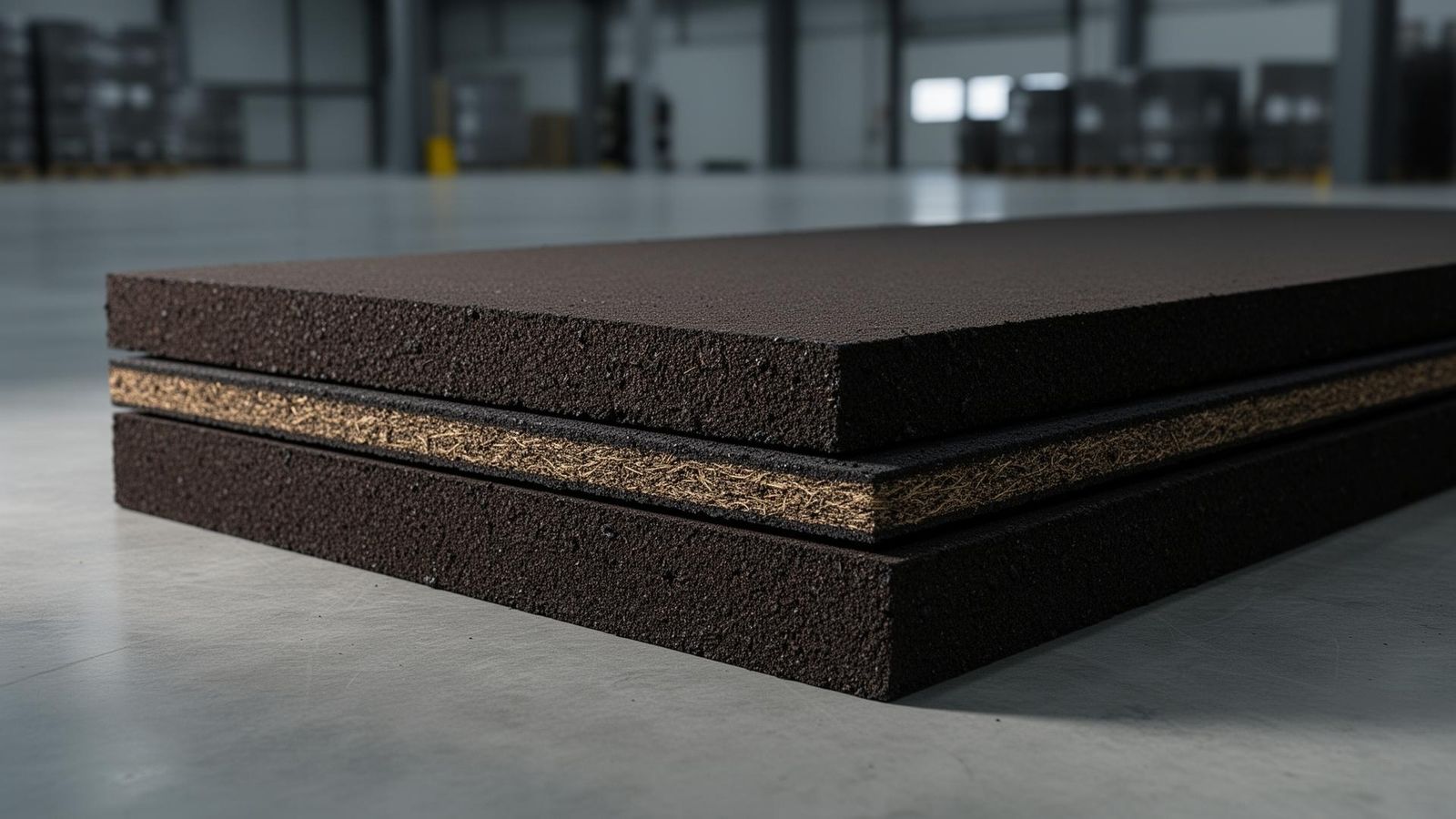
What Is Expansion Joint Filler Board? Function and Materials
A technical reference on the most-misunderstood line item in concrete construction: the joint filler that lets structures move.
ASTM D1751 vs ASTM D1752: Joint Filler Standards Compared
Two ASTM standards, often confused, sometimes cross-specified. A clear reference on which one covers what.
Bitumen Softboard vs Cork Board: Joint Filler Comparison
Both are preformed compressible joint fillers. Each one wins in a different application. A direct comparison.
Expansion Joint Thickness Selection Guide for GCC Infrastructure
Joint movement is calculable, not guessable. A reference for setting filler thickness across GCC infrastructure conditions.
Common Expansion Joint Failures and How to Prevent Them
Most joint failures are predictable from the specification stage. A practical guide to the failures that consume GCC infrastructure maintenance budgets.

What Is Wood Veneer? Definition, Production and Applications
The thin face that defines high-end interiors. A technical reference on what veneer actually is, how it is made, and where it lives in GCC architectural projects.
Natural Veneer vs Engineered Veneer: A Specification Reference
Two distinct product classes, often grouped under 'wood veneer'. A technical comparison for designers and procurement.
Rotary Cut vs Crown Cut Veneer: How Slicing Defines Appearance
The slicing method, not just the species, determines what a veneer looks like. A technical reference on the four primary cuts.
Book Match vs Slip Match Veneer: Layup Patterns Explained
The same leaves can read entirely differently depending on how they are arranged on the panel. A technical reference on veneer layup matching.
Wood Veneer Grades Explained: AA, A, B and Architectural Standards
Grading is the price-quality dial. A reference for specifying veneer grade against project budget and visual expectations.
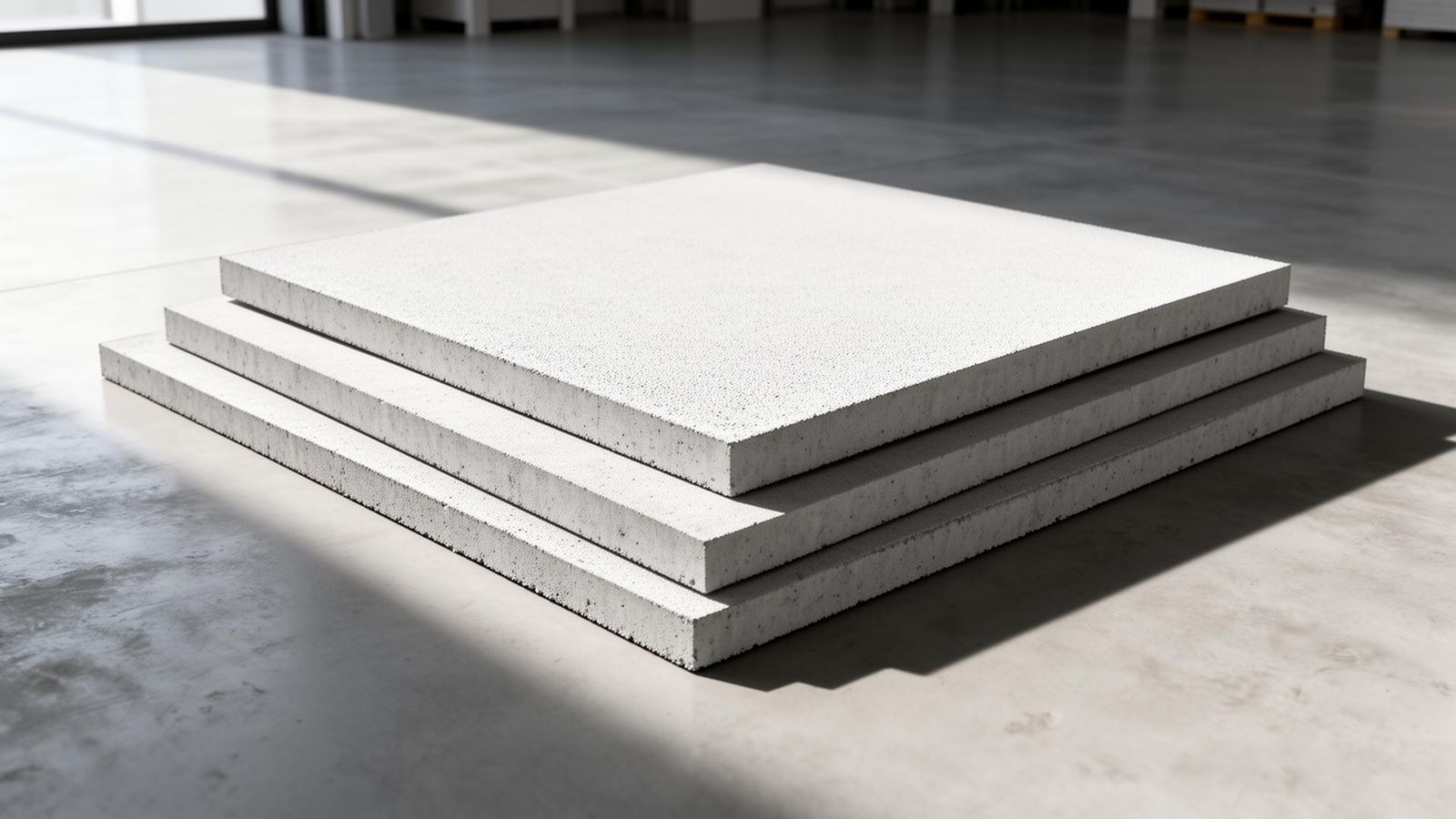
What Is Cement Board? Composition, Standards and GCC Applications
The board that replaced gypsum in wet areas and replaced asbestos in everything else. A technical reference on cement board for GCC construction.
Cement Board vs Gypsum Board: Where Each One Belongs
Two boards used for the same wall but built for opposite environments. A reference for matching board to application.
Cement Board vs Calcium Silicate Board: Specification Reference
Two cementitious-looking boards with different chemistries and different best uses. A technical reference.
Wet Area Wall Systems Explained: Cement Board Behind Tile
Cement board is one layer in a layered system. A reference for how wet-area walls are correctly built in GCC hospitality and residential projects.
Fire Rated Wall Systems Explained: Cement Board Partitions
A fire-rated wall is a tested assembly, not a single product. A reference for how cement board systems achieve 60-240 minute ratings.

What Are Hardwood Square Logs?
Hardwood timbers squared on four faces at the origin sawmill: what they are, how they're produced, and why GCC joineries specify them over round logs.

African Hardwood Species Guide for Joinery Buyers
Fourteen African hardwood species explained for procurement teams, joinery managers and consultants specifying squared timber for GCC projects.
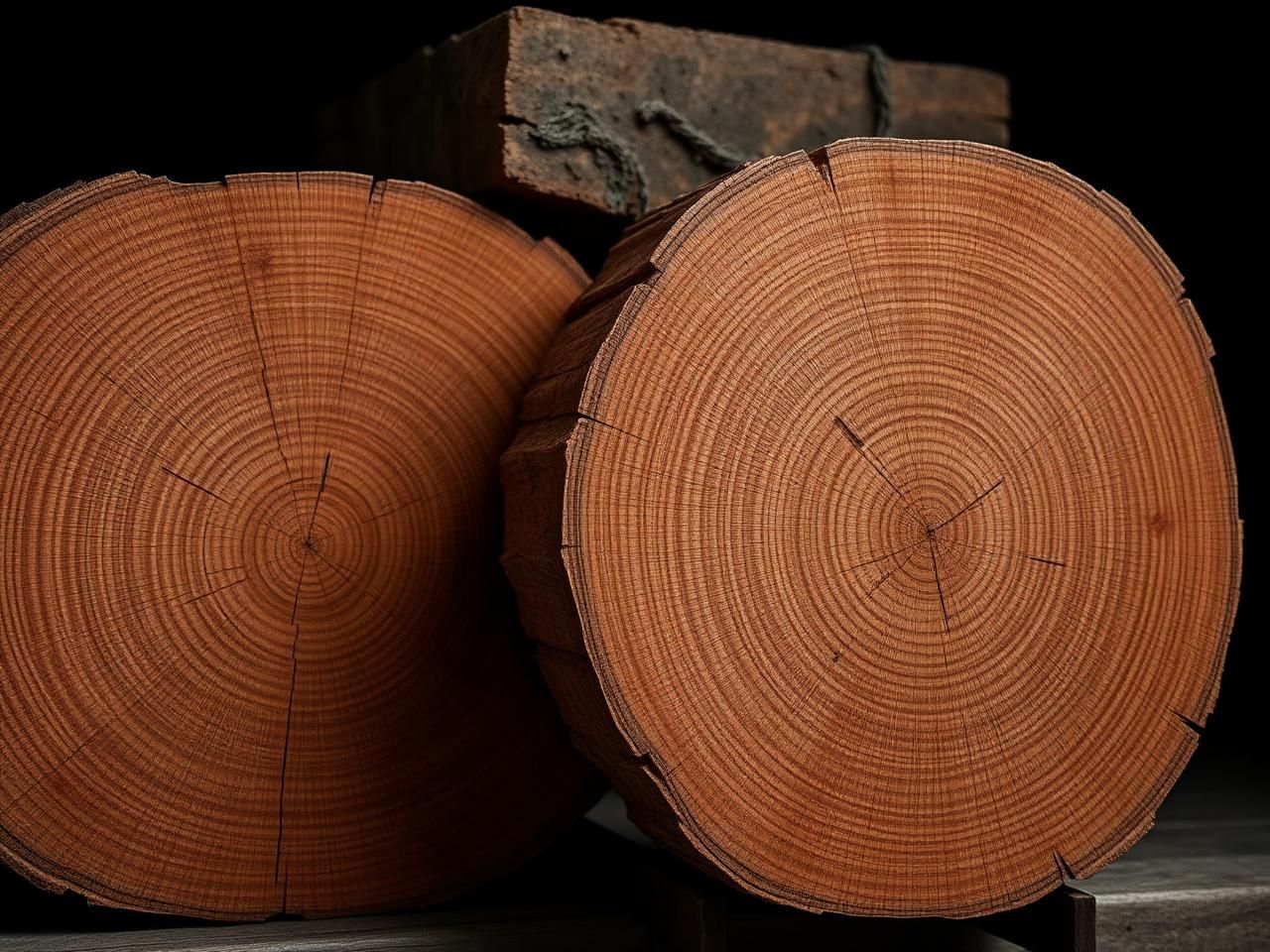
Iroko Square Logs: Properties, Grades and Applications
Iroko is the African teak substitute that dominates GCC joinery. A full technical reference for buyers and joinery managers.
Dabema Square Logs: The Heavy-Construction African Workhorse
Dabema is the African hardwood that quietly carries the heavy-construction, sleeper and decking market across the GCC.

Khaya Square Logs: African Mahogany Explained
Khaya is the African Mahogany that built the modern GCC furniture and door industry. A complete technical reference.
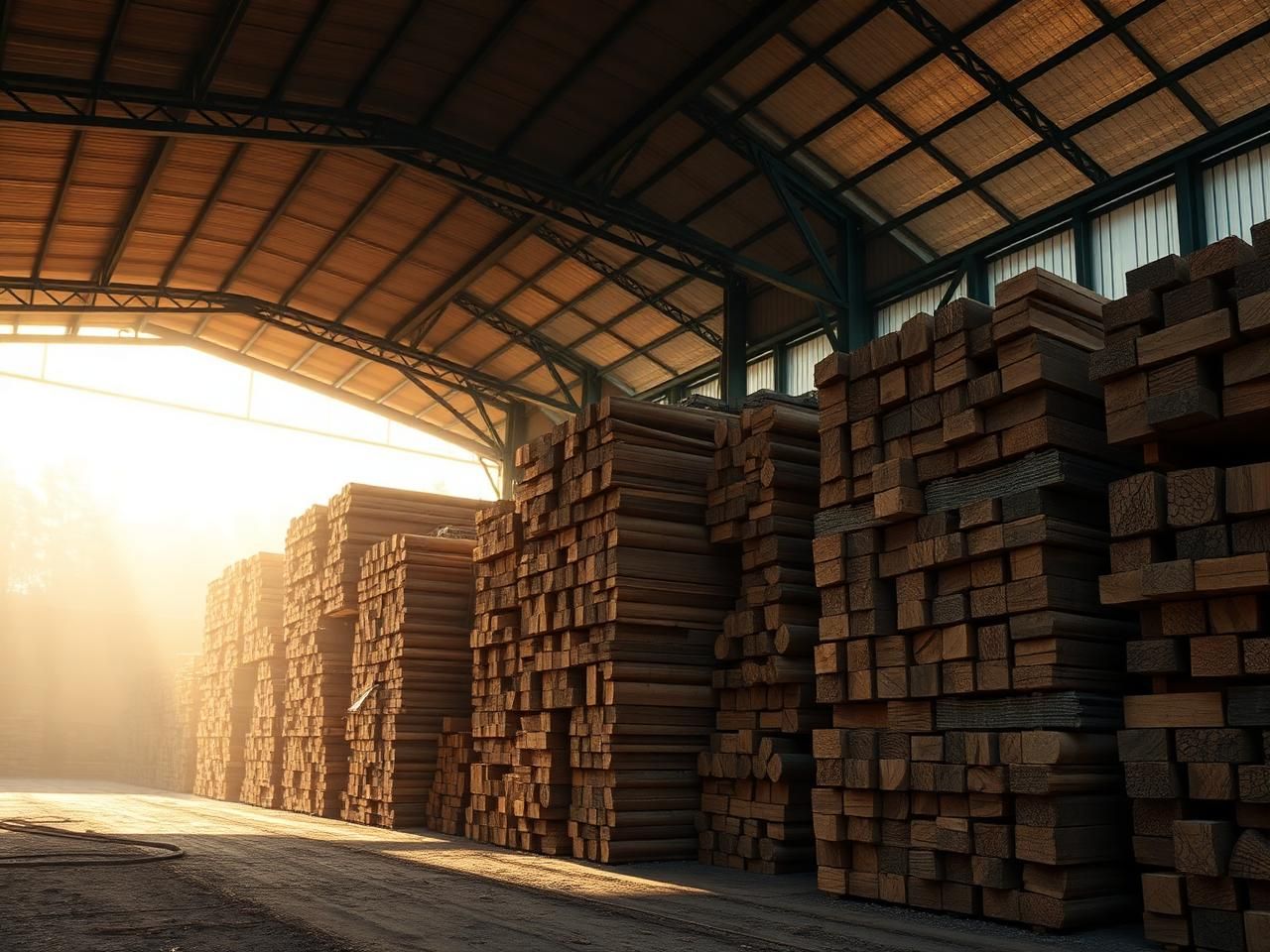
KD vs AD Hardwoods: Which Moisture Spec for the GCC?
The moisture spec on your RFQ decides whether your joinery survives a UAE summer. A buyers' guide to KD and AD hardwoods.

Hardwood Log Grading: Rules, Defects and Tender Language
How to write the grading line on your RFQ so the offer you receive matches what arrives at port.
Lumber Recovery from Hardwood Square Logs
The number on your purchase order is not the number you get on the joinery line. A working guide to lumber recovery.

Hardwood Export Specifications for GCC Buyers
Everything that needs to be in the file before the container leaves the load port, and what to check when it arrives.
Hardwood Storage Guide for GCC Yards and Joineries
The difference between premium hardwood that arrived in spec and joinery that fails on site is what happens in the two weeks in between.
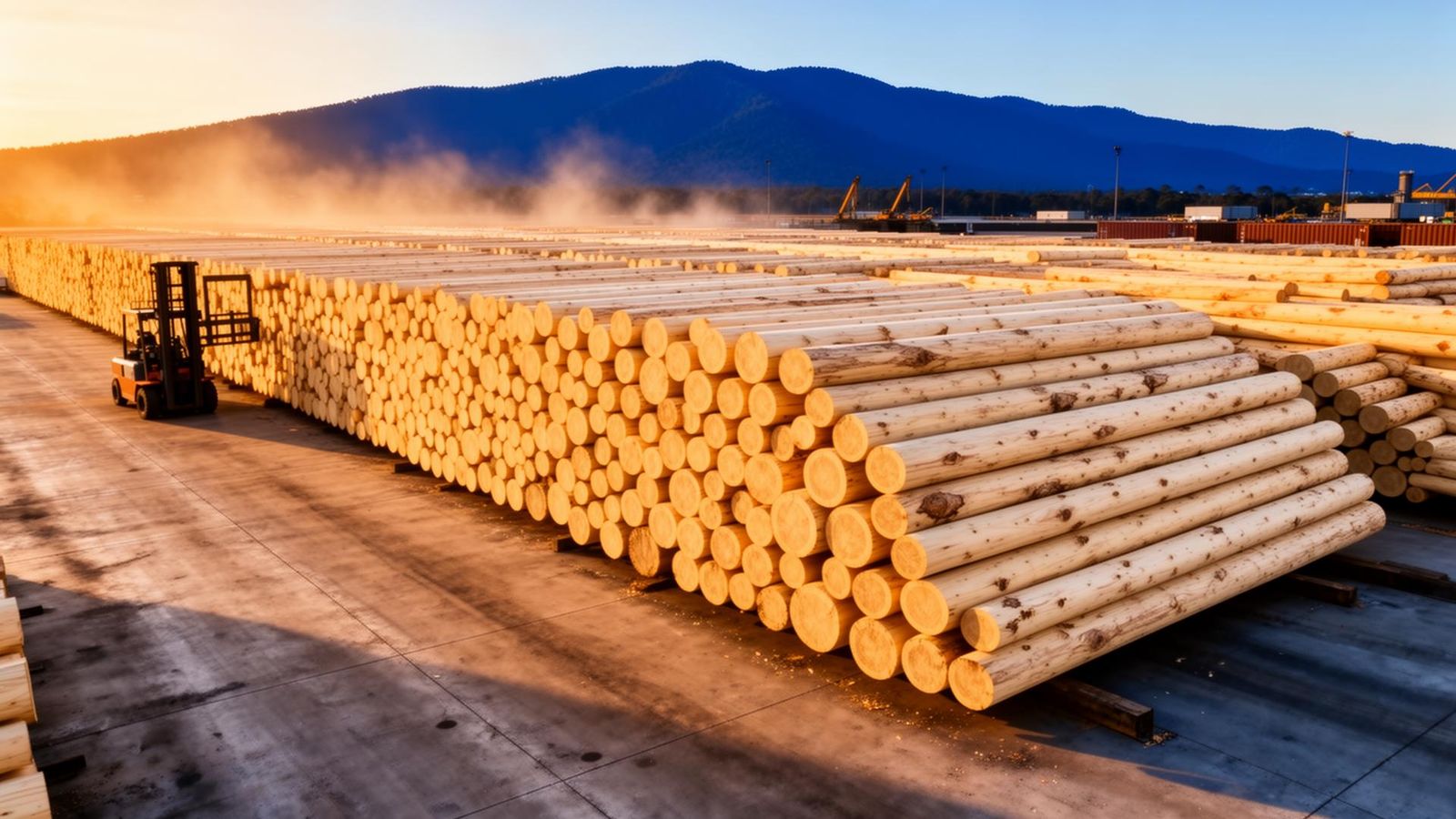
What Are Pine Logs? The Complete Buyer's Guide
Round softwood logs from plantation pine forests: what they are, why GCC sawmills and panel mills buy them by the shipload, and how the grades work.
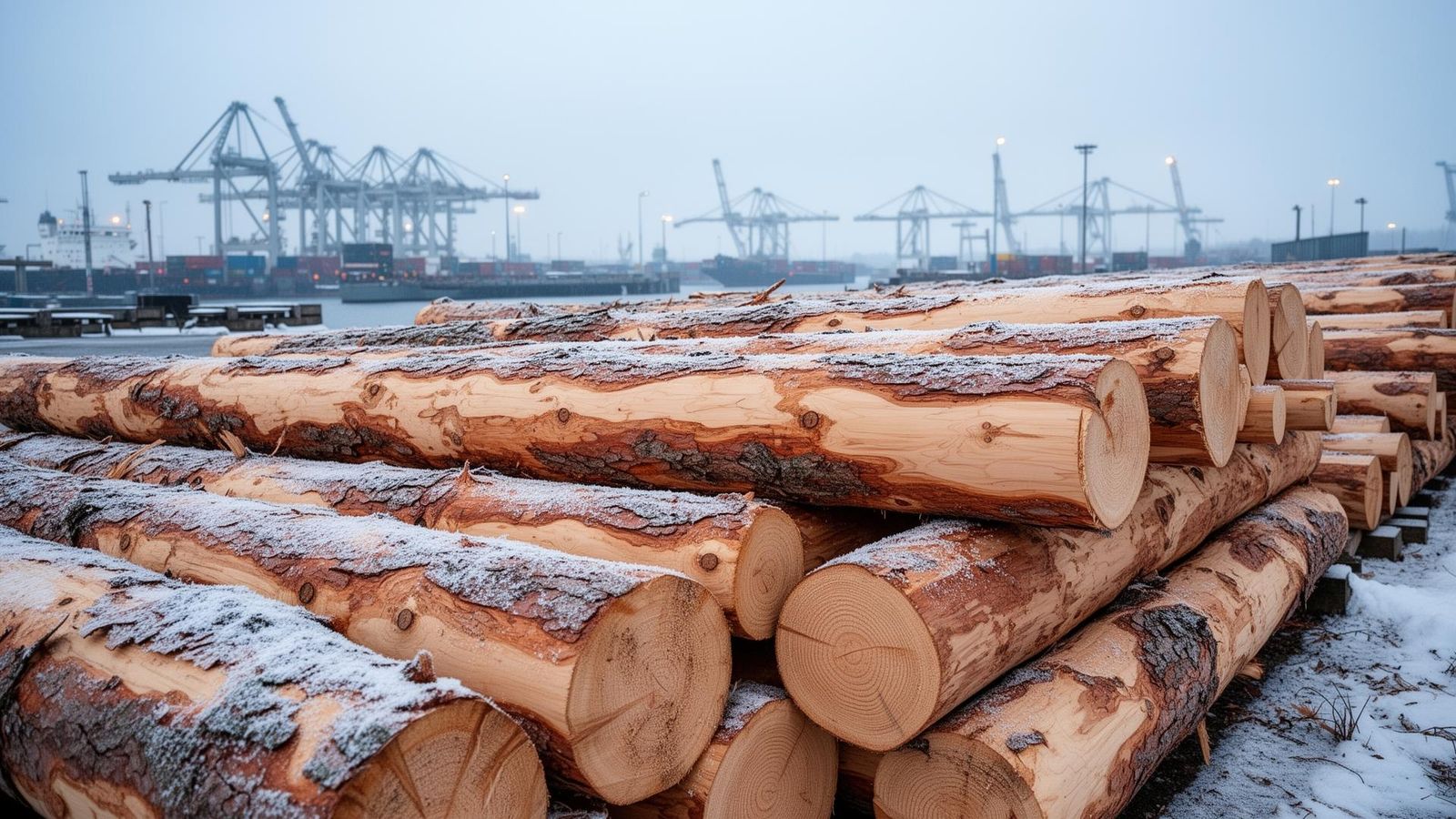
Radiata Pine vs Scots Pine: A Sawmill Buyer's Comparison
Two pines, two continents, two different industrial profiles. Where each one wins, and how to choose between them for your sawmill programme.

Pine Log Grading: Sawlog, Peeler and Pulp Classifications
Origin grading rules turn a forest harvest into a sortable export product. A working reference for sawmill procurement teams.

Pine Log Diameter Guide: SED, Length and Volume
Diameter and length drive recovery, container packing and price. A working reference for matching log dimensions to your sawmill programme.

Pine Log Export Specifications for GCC Importers
What needs to be in the file before the vessel leaves origin, and what to check on arrival at Jebel Ali, Sohar or Dammam.
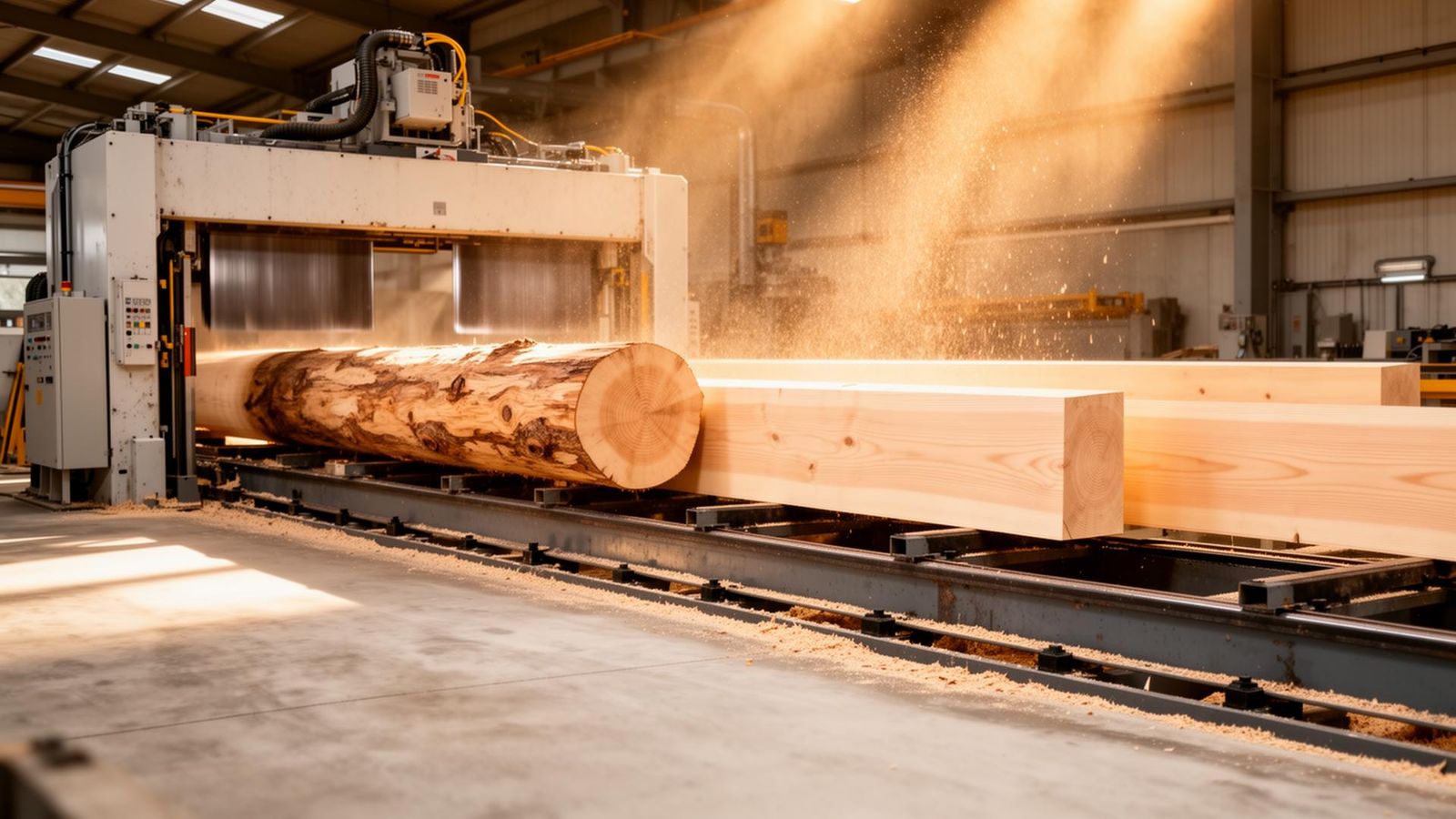
Pine Pressure Treatment: CCA, ACQ and MCA Explained
Pine's commercial moat is treatability. A working reference for understanding pressure-treated pine specifications across the GCC.
Pine Lumber Recovery from Round Logs
The number on your sawmill spreadsheet is set by SED, sawing pattern and target product. A working guide to forecasting pine recovery.
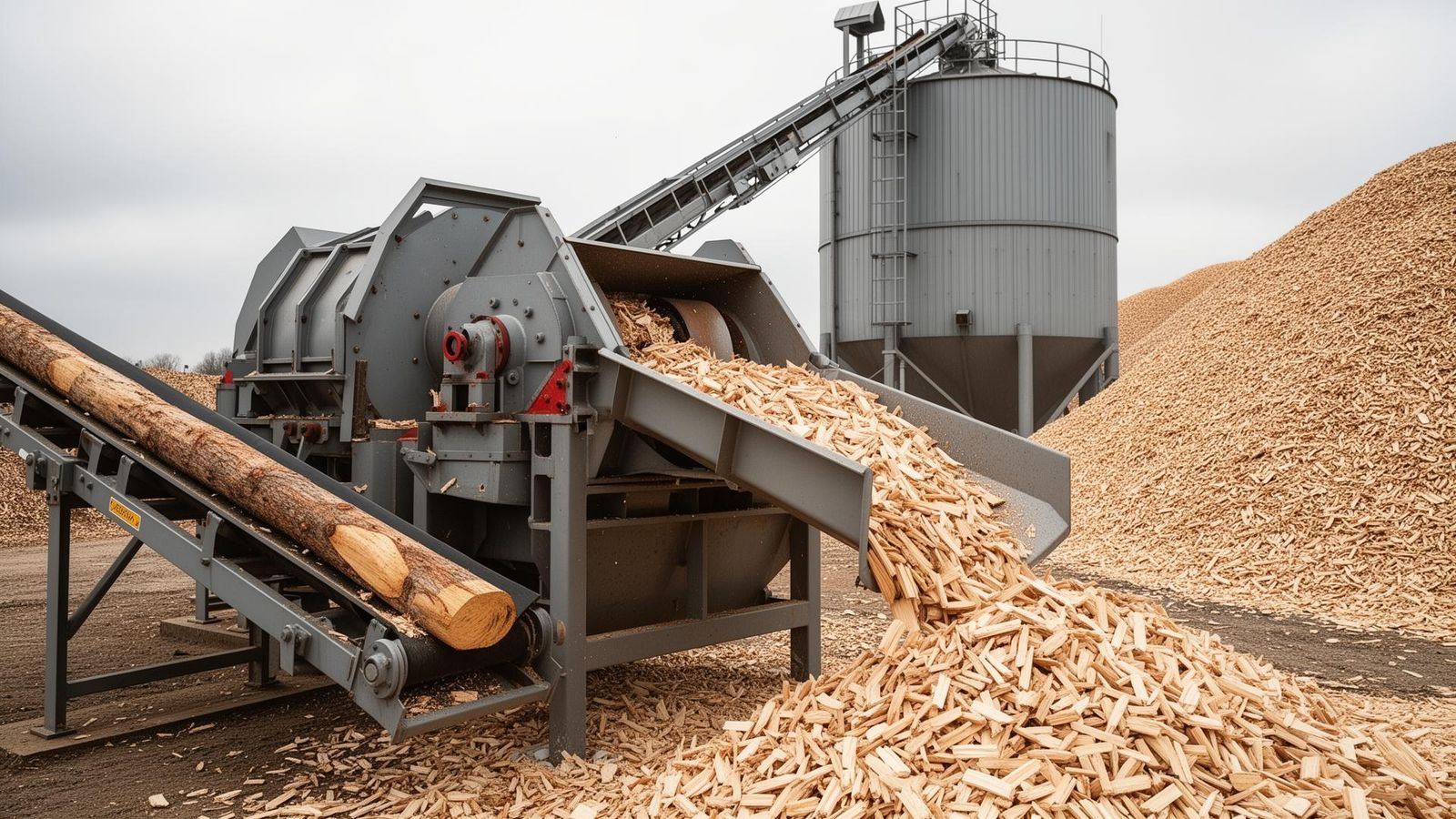
Pine Logs for Plywood, MDF and Engineered Wood
Beyond sawmilling, pine logs feed the entire engineered wood industry. A reference for plywood, MDF, particleboard and LVL mill procurement.
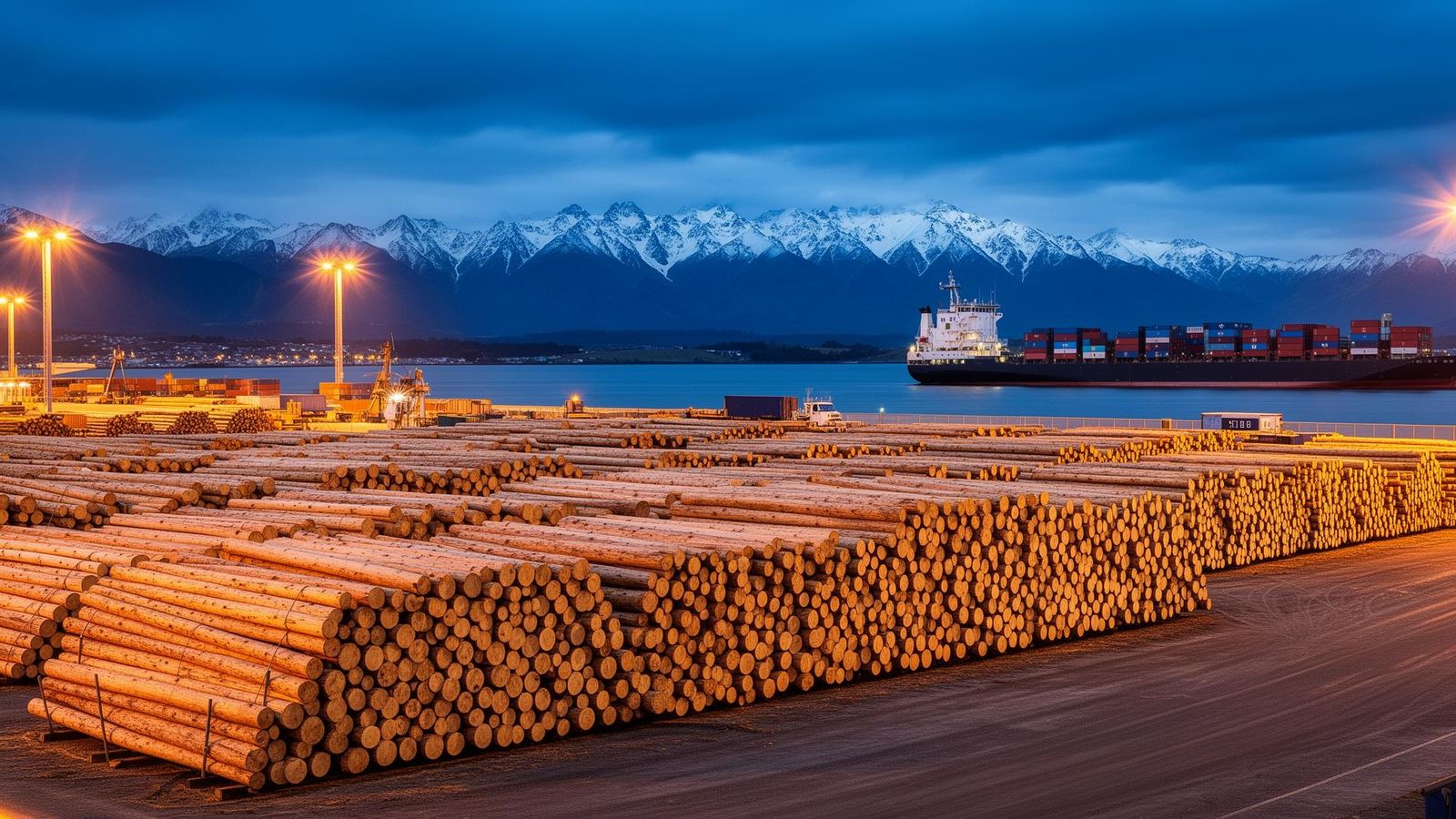
New Zealand Pine Supply: The Global Radiata Powerhouse
Why GCC sawmills source from New Zealand: a deep dive into the world's most reliable plantation softwood supply chain.
South American Pine Supply: Chile, Brazil and Uruguay
The South American pine plantation belt is the second pillar of global softwood supply. A reference for GCC buyers diversifying from NZ.
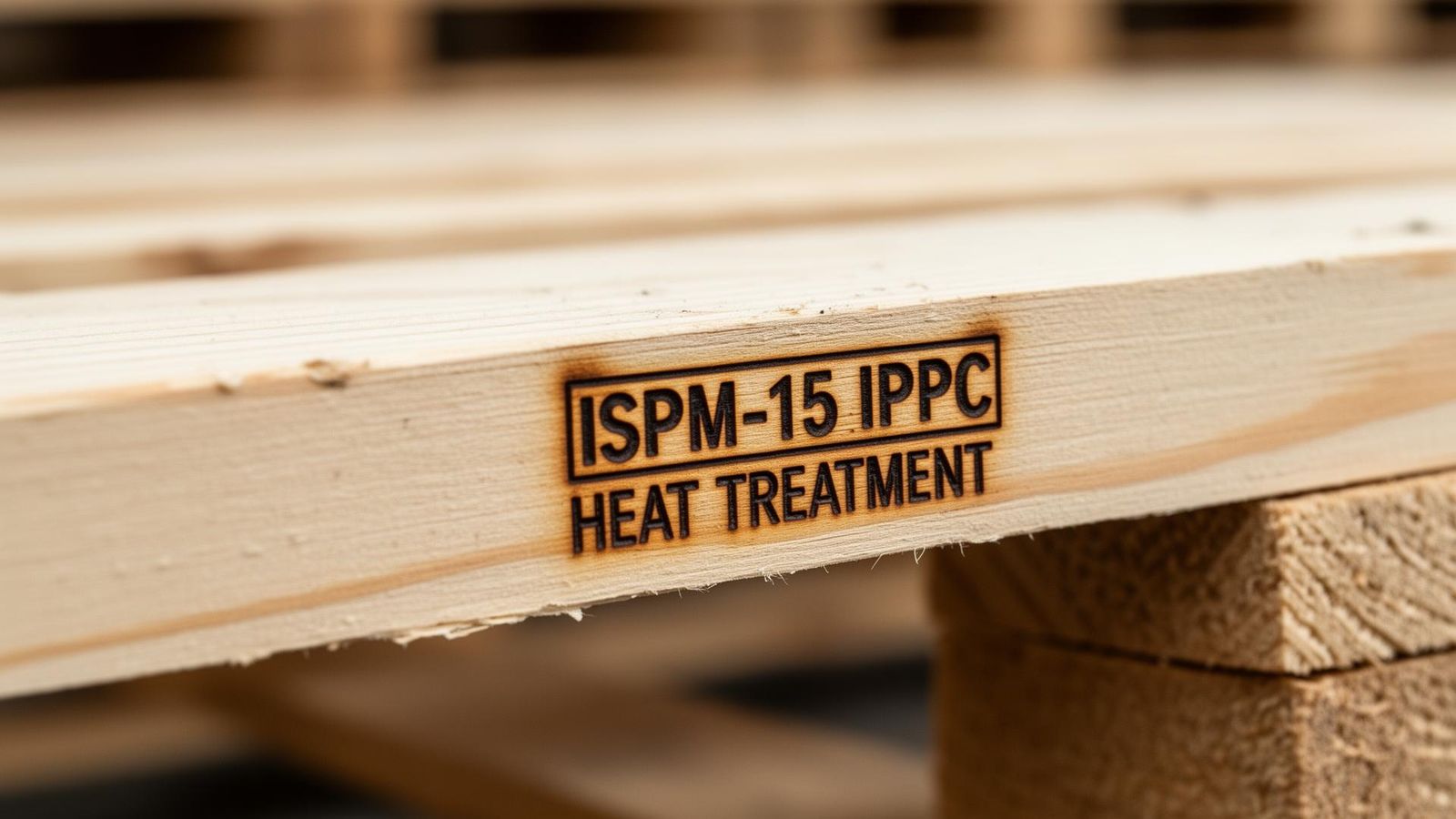
What Is ISPM-15? The Complete Pallet Wood Compliance Guide
The single phytosanitary standard that decides whether your wooden pallet clears customs or gets quarantined. A working reference for exporters.

Heat Treatment vs Methyl Bromide: ISPM-15 Treatment Comparison
Two pest-control routes to the same IPPC stamp, with very different commercial and environmental profiles. Which one should be on your purchase order.
Anatomy of the IPPC Stamp on a Pallet
Every digit of the IPPC stamp tells you who treated the pallet, where, and how. A two-minute reading guide for procurement teams.
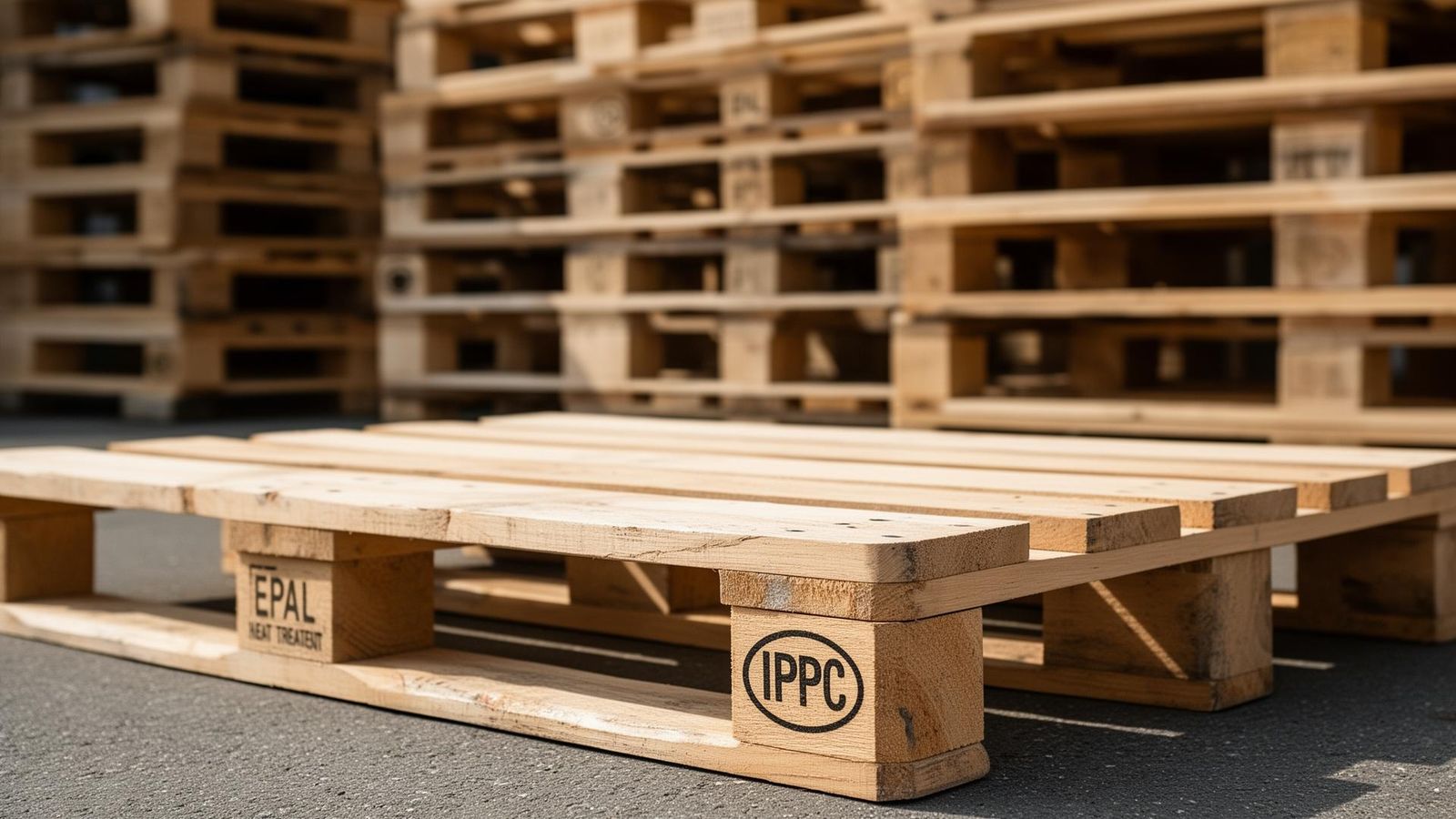
EPAL vs CP vs Custom Pallets: Choosing the Right Standard
Three pallet standards cover 90% of GCC trade flows. Choosing between them is a question of weight, route and reuse strategy.
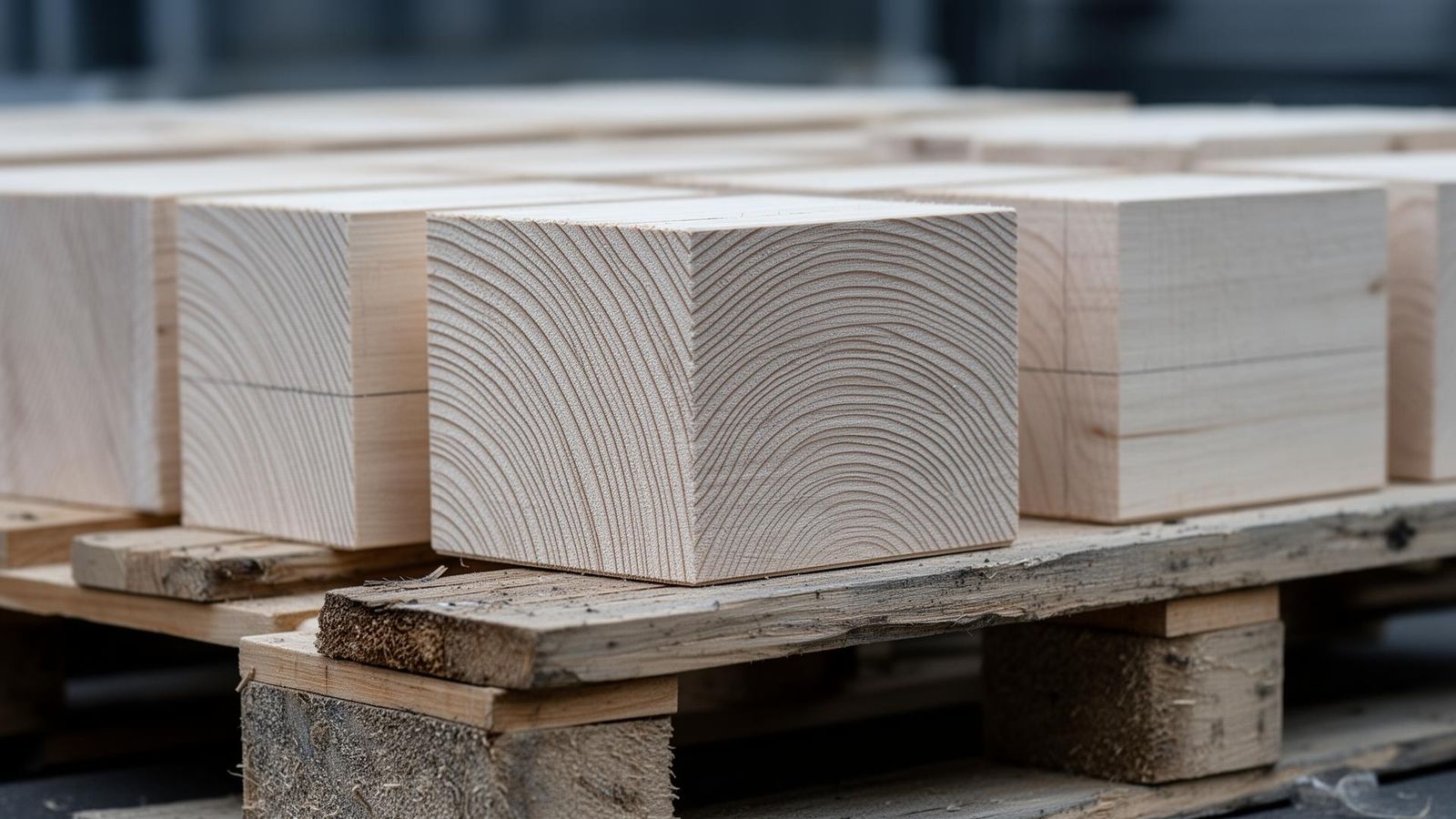
Pallet Block Types Explained: Solid, Finger-Jointed and Composite
Three ways to make a 78×78×95 mm pallet block, each with a different strength curve and cost profile. A working guide for pallet plant procurement.
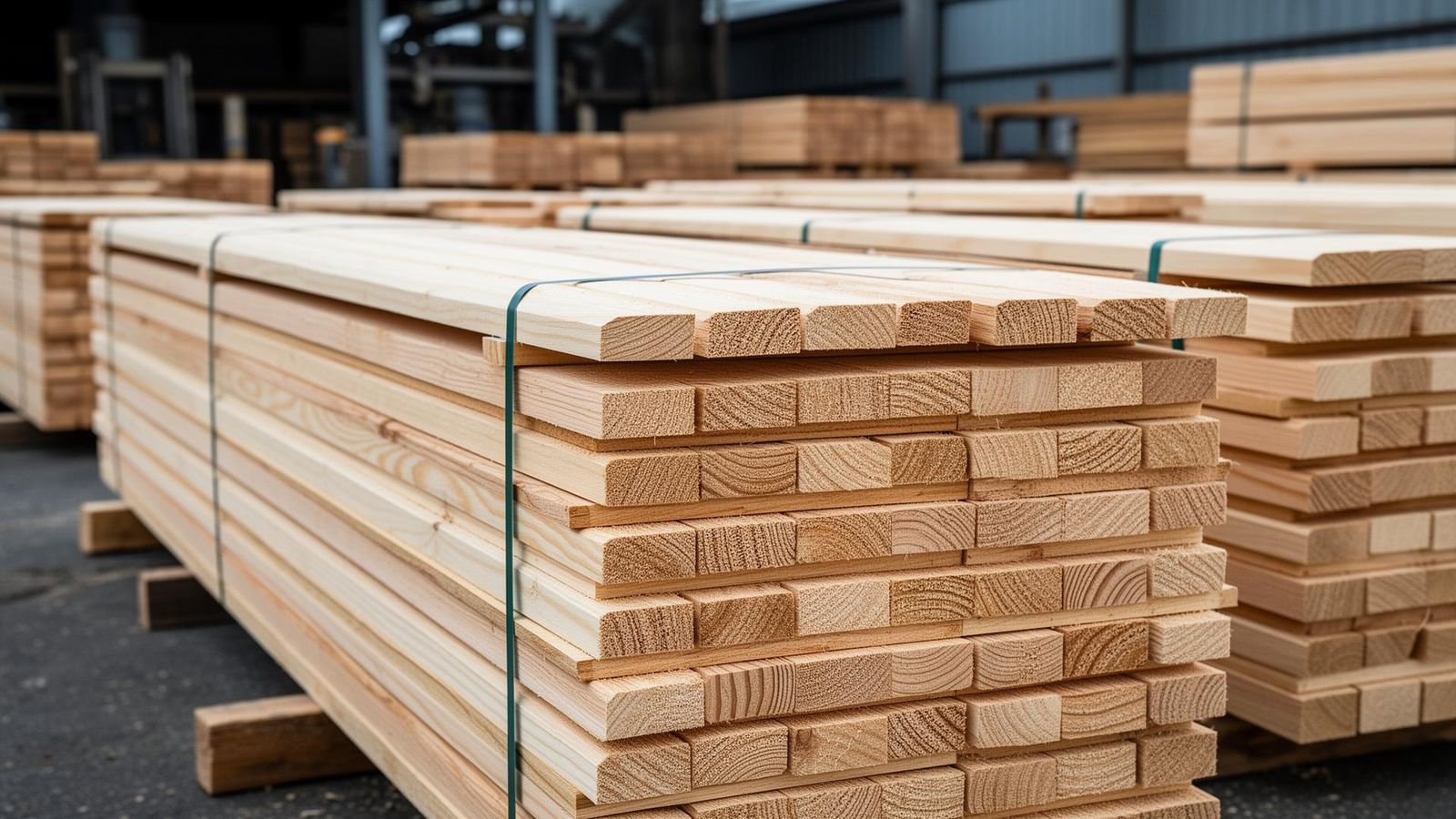
Pallet Component Dimensions: Boards, Stringers, Bearers, Blocks
Five components, fifteen workhorse sections. The dimensional reference that gets the RFQ priced right the first time.

Pallet Wood Moisture Content: KD, AD and HT Explained
Get the moisture spec wrong and the pallet warps, stains or fails at the importer's depot. A working reference for buyers.

Dunnage and Bracing Timber for Project Cargo
The unglamorous timber that keeps machinery, transformers and project cargo from shifting in a vessel hold. A working spec guide.
Custom Pallet Design Guide for Heavy & Irregular Cargo
When the load doesn't fit a standard pallet, engineering one to the cargo is faster, cheaper and safer than forcing the standard.
Why Pallets Get Rejected at GCC Ports (and How to Avoid It)
A rejected pallet means demurrage, re-treatment fees and missed sailings. Six rejection causes, all preventable at the procurement stage.
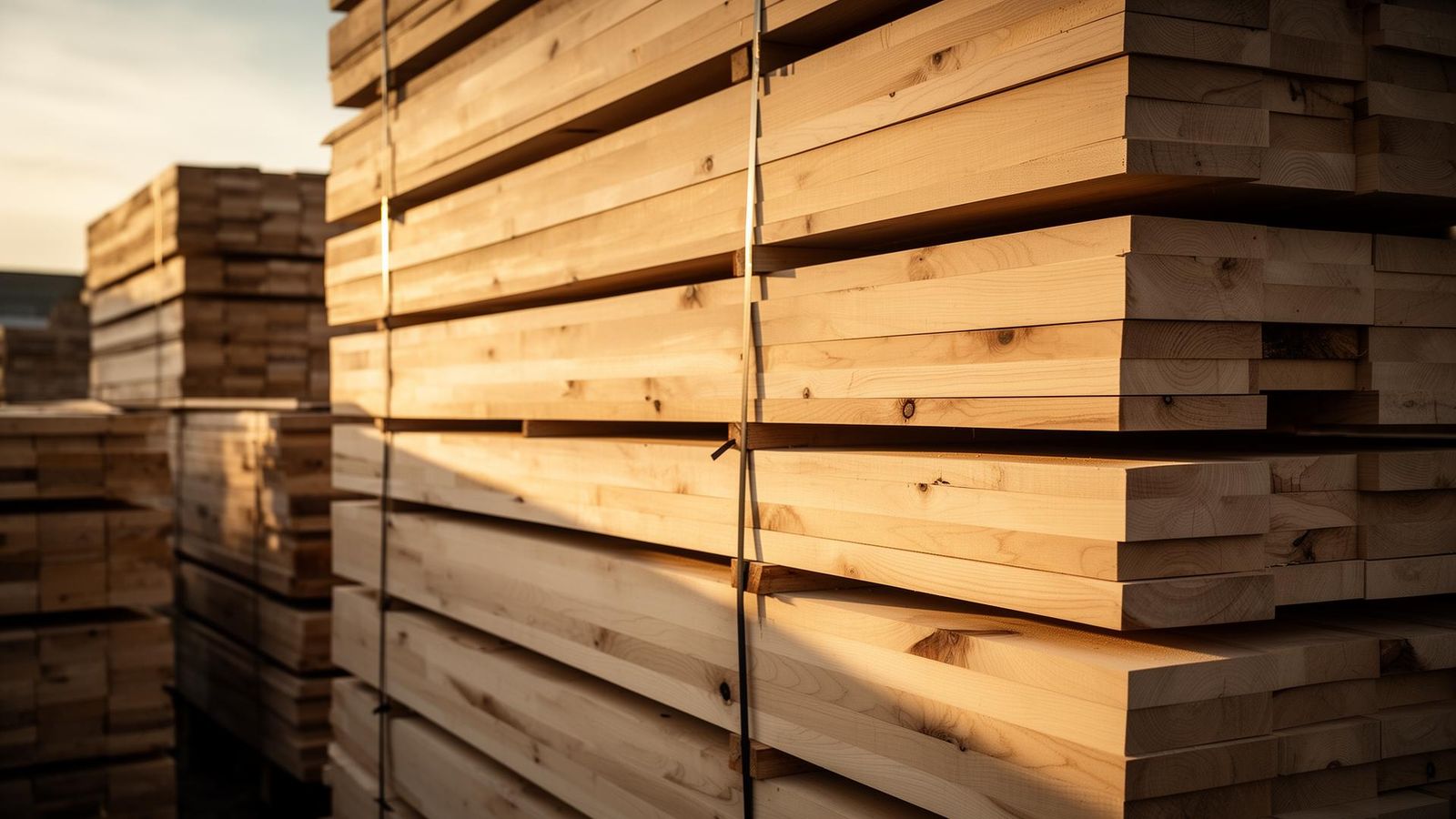
What Is Beech Wood? The Complete Buyer's Guide
Fine-grained, dense and dimensionally predictable: what beech wood is, why it is the European furniture industry's default hardwood, and how the GCC trade specifies it.
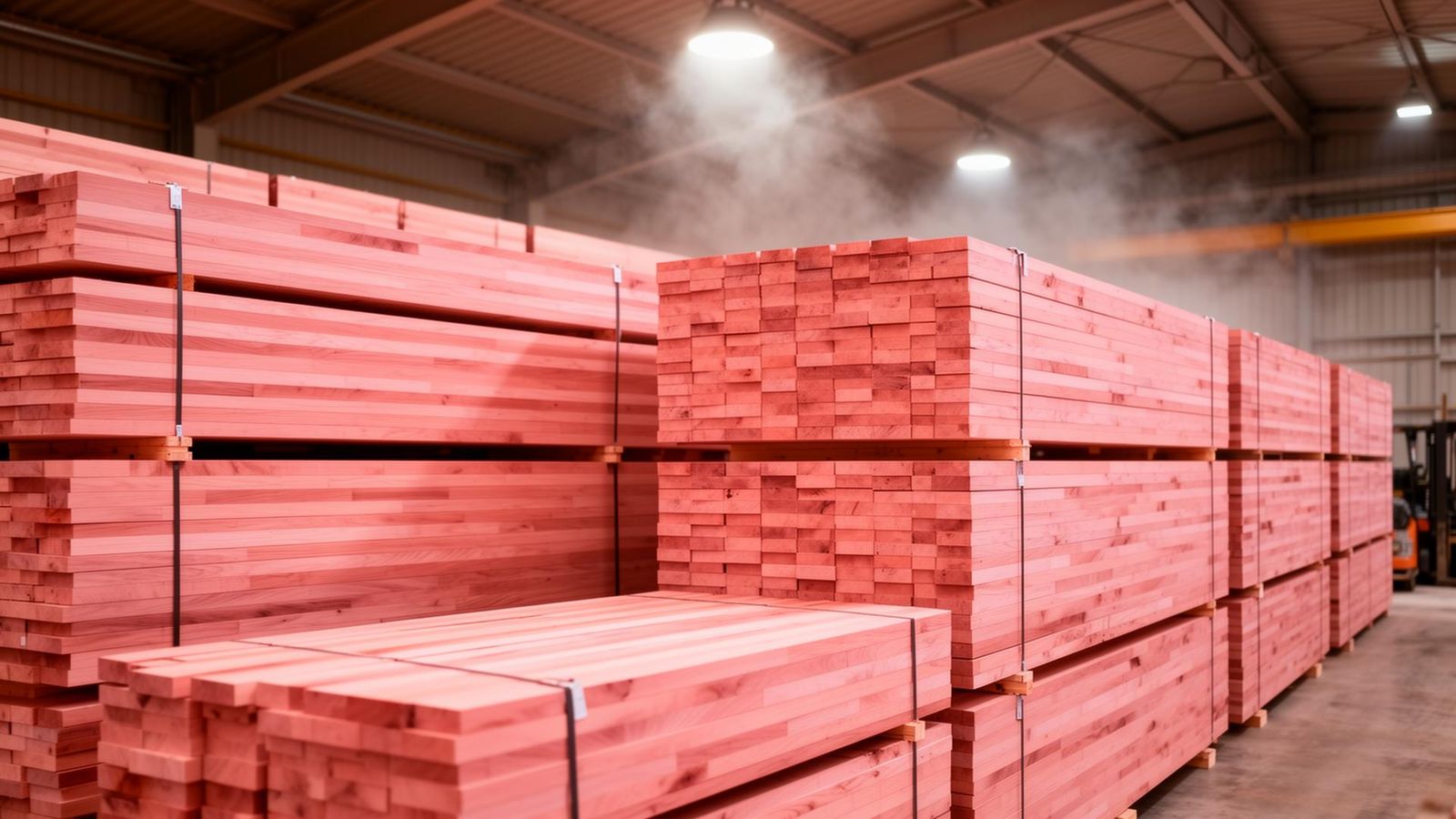
Steamed vs Unsteamed Beech: A Specification Guide
The European furniture standard explained: the steam chamber process, the colour change, the dimensional benefits, and when unsteamed beech is the better call.

Beech vs Oak vs Ash: A European Hardwood Comparison
Three of Europe's most-traded hardwoods, side-by-side: where beech wins, where oak takes over, and where ash slips in.
European Beech Grading: A, AB, B, BC and Industrial
The grading vocabulary of the European beech trade, what each grade actually allows on the face and back, and how to translate between European and NHLA conventions.

Beech Steam Bending: The Thonet Standard Explained
Why beech bends like no other timber, from the Thonet No. 14 café chair to contemporary furniture by Vitra, Magis and TON.
Beech Multiplex (Buchensperrholz): The Premium Plywood Guide
The dimensionally stable, multi-ply premium panel that European workshops have built jigs and work surfaces from for a century.
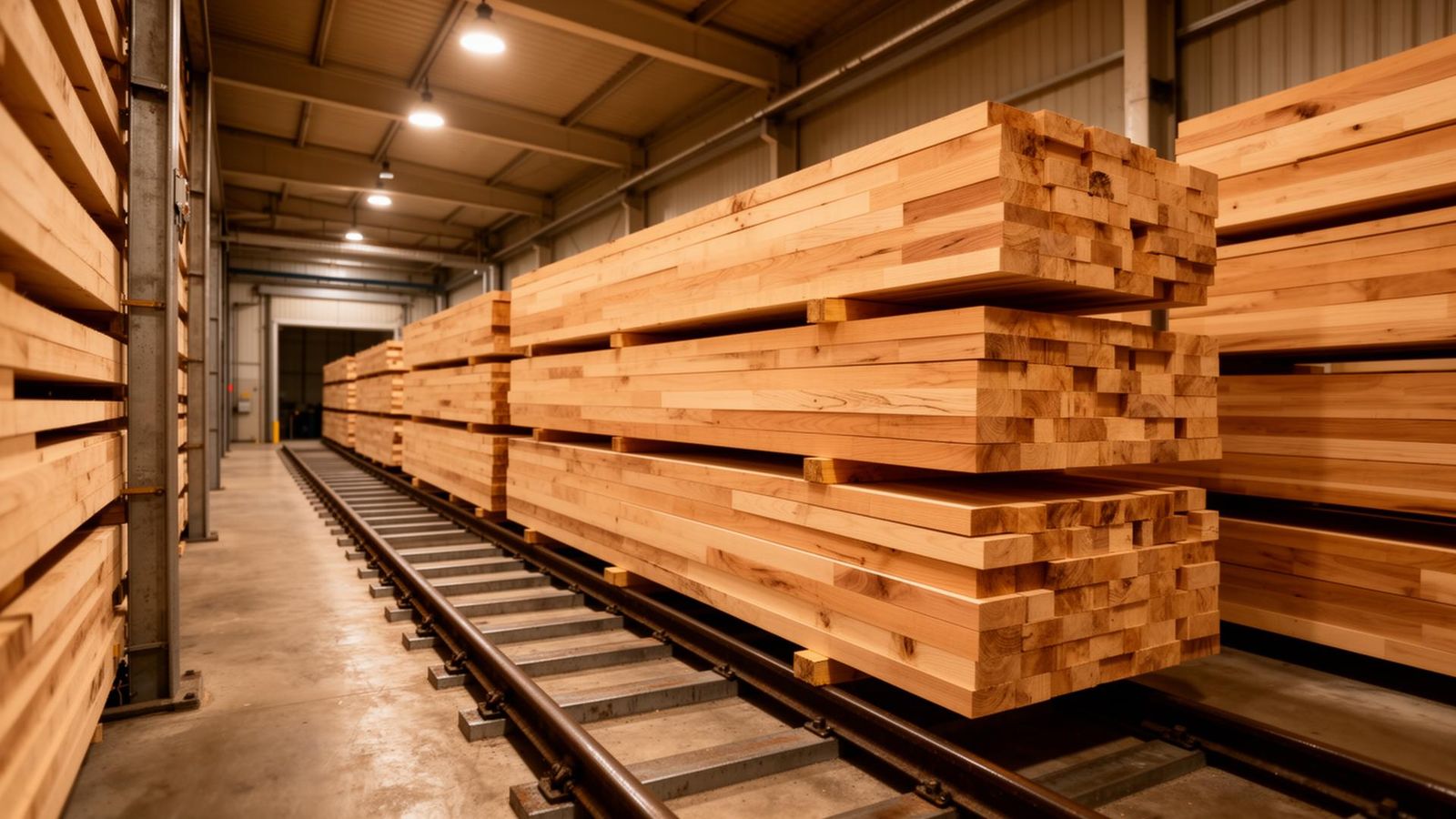
Kiln Drying Beech Wood: Schedules, Targets & Defects
14–28 days, conservatively scheduled. The kiln drying playbook that European mills use to deliver dimensionally predictable steamed and unsteamed beech.
Thermo-Beech: Thermally Modified Beech for Outdoor Use
Standard beech can't go outdoors. Thermo-beech can. The 180-220°C oxygen-starved process explained.
Beech Wood in Furniture: From IKEA to Vitra
The hardwood that defines European furniture, from the Thonet bentwood chair to flat-pack IKEA components.

European Beech Supply: Germany, Croatia, Romania and Beyond
Eight European origins supplying the beech trade, each with a different forest profile, sawmill structure and shipping lane to the Middle East.
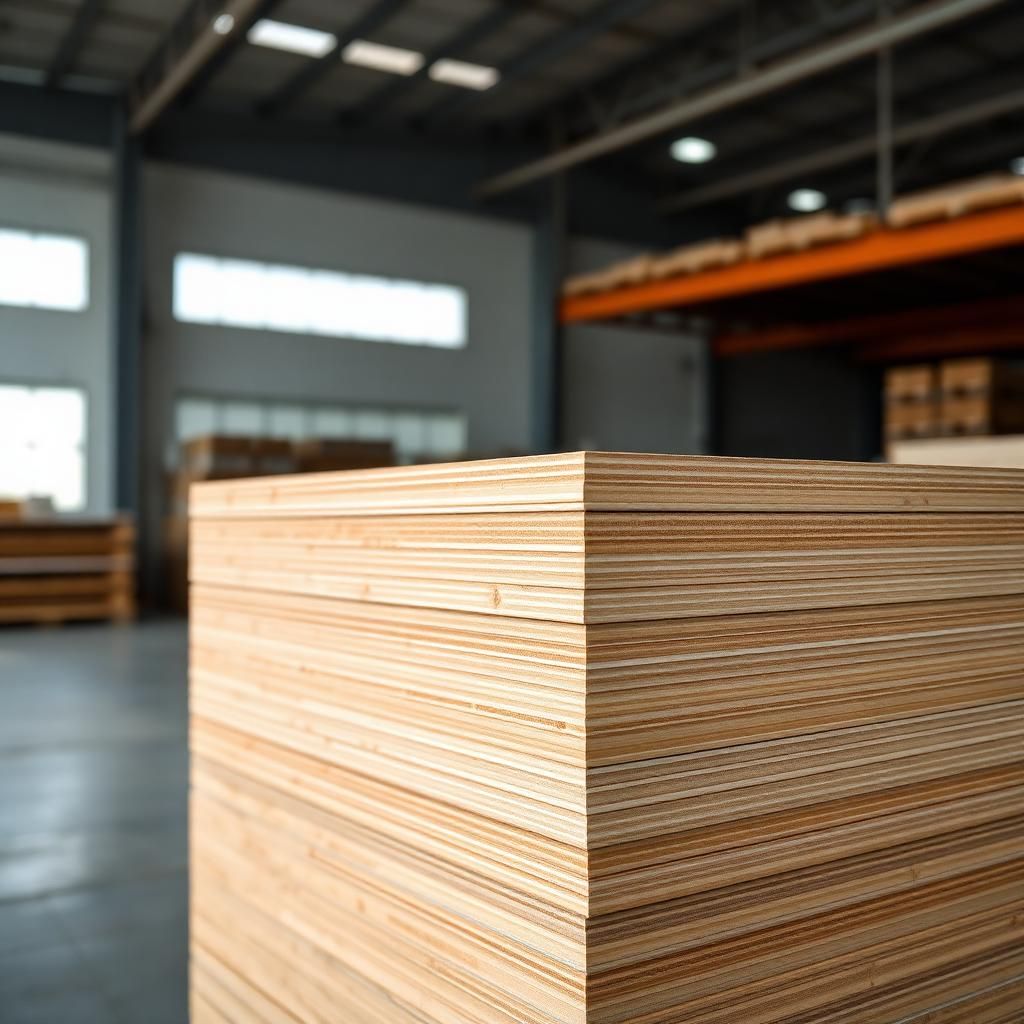
What Is WBP Glue? Phenolic Resin, Standards and How to Verify
WBP is the most-misused term in plywood procurement. A technical reference covering the resin chemistry, the actual standards that govern it, and how to verify a WBP claim instead of trusting a stamp.
S275 vs S355 Steel: Yield, Weldability and When to Specify Each
Two grades, one structural steel standard, and a decision that quietly shifts tonnage and cost on every GCC tender. A consultant-grade reference.
What Is Structural Steel? Definition, Grades and How It Is Specified
A foundational reference on what structural steel actually is, chemistry, sections, standards and the procurement language consultants use across GCC infrastructure.
ASTM A36 vs ASTM A572: Yield, Cost and When to Specify Each
A36 is the historical default. A572 Grade 50 is increasingly the modern default. Here is the engineering and the economics behind the shift.
EN 10025 Explained: The European Structural Steel Standard
EN 10025 is the most-cited steel standard in modern GCC tenders. A consultant-grade reference covering every part of the standard and how it is used on procurement orders.
What Is a Mill Test Certificate (MTC)? How to Read and Verify
An MTC is the document that proves your steel is what you ordered. A line-by-line reading guide for procurement, QC and consultant teams.
What Is Marine Plywood? IS 710, BS 1088 and How to Specify
Marine plywood is not the same as WBP-bonded plywood. A technical reference covering what the standards actually require, and how to verify the difference.
MR vs BWP vs WBP Plywood: Bond Classes Explained
Three acronyms, three resin systems, three different lives in service. A clean reference on what each class actually means and when to use it.

304 vs 316 Stainless Steel: Chemistry, Corrosion and Cost
Two grades that look identical and behave very differently in chloride environments. A specification reference for architects, fabricators and marine engineers.
316 vs 316L Stainless Steel: When the L Matters
The 'L' is a carbon ceiling. It is the difference between a clean welded joint and intergranular attack in service. A short technical reference.
Duplex Stainless Steel Explained: 2205, 2507 and Lean Duplex
Twice the strength of 316, with better chloride resistance and at a competitive nickel-weighted cost. Why duplex has displaced 316 on serious marine and oil & gas tenders.
6061 vs 6063 Aluminium: Structural vs Architectural Extrusion
Same 6xxx family, same Al-Mg-Si chemistry, two different jobs. 6061 is the engineering structural alloy; 6063 is the architectural extrusion alloy. A specification reference.
MDF vs HDF vs Particle Board: Density, Cost and Application
Three wood-based panels that look similar from the edge and behave very differently in service. A substrate selection reference for joinery and fit-out.
Need a quote or specification advice?
Our team supports 11 divisions across the GCC and wider Middle East.