The standards that govern
EN 13501 - European reaction-to-fire and resistance classification. Reaction class A1/A2 for non-combustible boards. Resistance ratings EI 60 / EI 90 / EI 120 / EI 240 for tested partition assemblies (E = integrity, I = insulation). BS 476 Part 22 - Methods for determination of fire resistance of non-loadbearing elements of construction. Most GCC fire-rated walls reference this. ASTM E119 / UL 263 - American equivalent, used by US-origin consultants on projects in Saudi and UAE. UAE Fire & Life Safety Code (Civil Defence) - mandates compartmentation classes by building type and occupancy. Saudi Arabia SBC 801 - Saudi Building Code fire safety requirements.
A wall is rated only as part of a tested system: studs of a specified class, insulation of a specified thickness and density, boards of a specified manufacturer, fixings of specified type and spacing, joint treatment of a specified type. Substituting any component invalidates the rating.
Typical assemblies
EI 60 (1-hour) standard partition: 100mm steel studs at 600mm centres, single layer 12.5mm fire-rated gypsum each face, 50mm 60 kg/m³ stone wool insulation. Many tested systems achieve this with gypsum alone.
EI 90 (1.5-hour): 100mm studs, double-layer 12.5mm gypsum or single-layer 15mm fire-rated board, 50mm rockwool. Some assemblies upgrade to cement board on one or both faces.
EI 120 (2-hour) - hotel guestroom separating walls, hospital corridor walls: 100-150mm studs, double layer 12.5-15mm fire-rated gypsum or cement board, 75-100mm 80 kg/m³ rockwool. Cement board provides robustness as well as fire performance.
EI 240 (4-hour) - fire compartmentation walls between major hotel zones, riser cores, electrical rooms, plant rooms, kitchens: calcium silicate or specialty fire-rated cement board, often double-layer each face, mineral wool, with rated penetration seals.
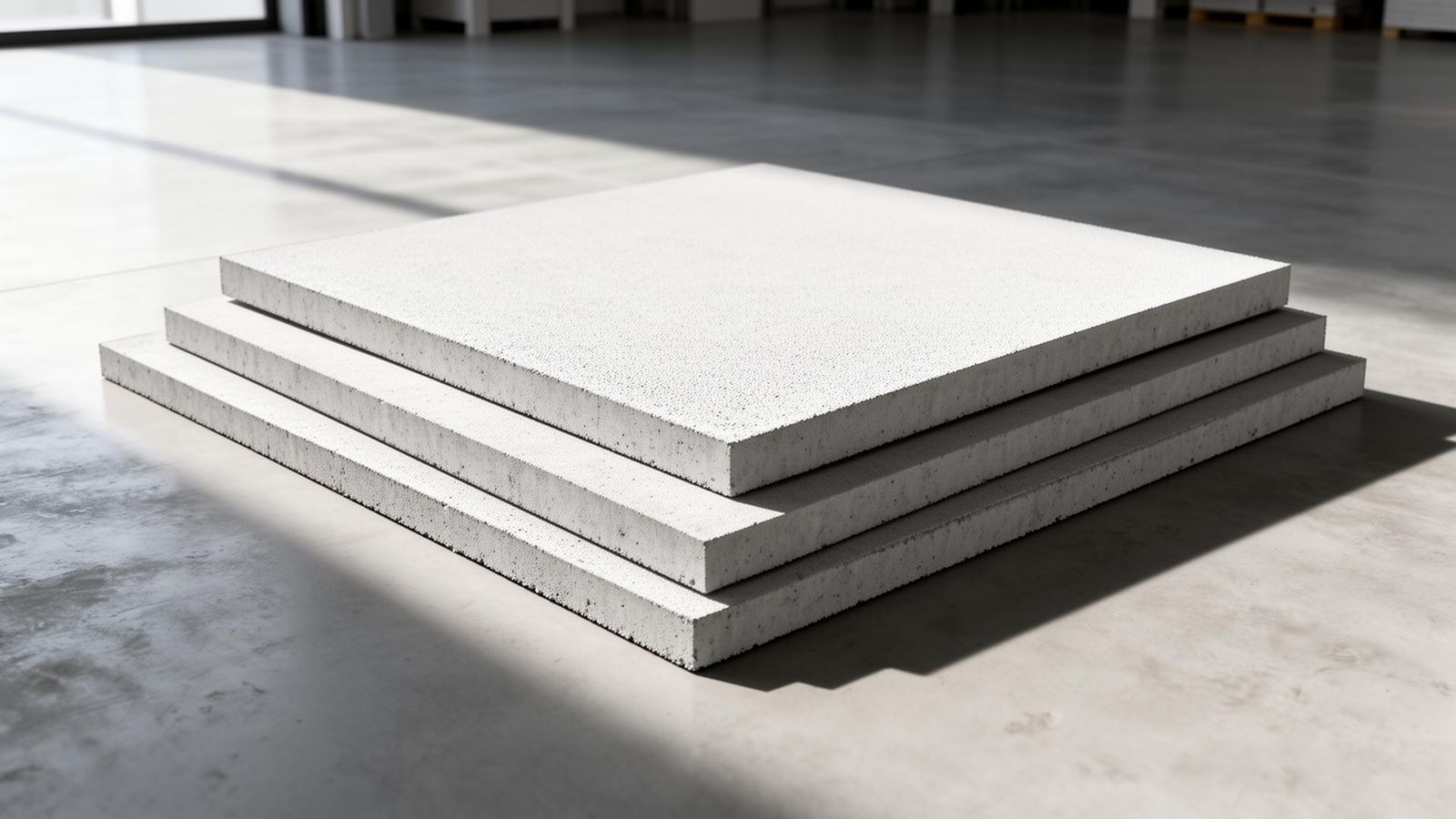
Why cement and calcium silicate boards appear in higher ratings
Standard fire-rated gypsum achieves outstanding fire performance through chemically bound water that releases as steam during fire exposure. For higher ratings (EI 120, EI 180, EI 240) the assembly often needs additional impact resistance, sustained-fire performance, or compatibility with steelwork fireproofing. Cement and calcium silicate boards address these requirements.
For hotel kitchens, electrical risers, transformer rooms, and back-of-house plant zones, cement and calcium silicate are the default specification because the boards survive longer in sustained fire conditions and resist impact damage during day-to-day service.
Penetrations and joints
The fire-rated assembly is only as good as its weakest detail. Penetrations for cable trays, pipes, ducts and dampers must be fire-stopped with tested seals (intumescent collars for plastic pipes, mineral wool plus mastic for metal pipes, fire dampers in ducts) of a rating matching the wall. Door openings must be fitted with fire-rated door assemblies (door + frame + ironmongery) of matching or higher rating.
Common GCC consultant requirement: every penetration documented with installer certification and fire-stop product type recorded in the asset file.
What to ask the supplier
Request: classification report and certificate (EN 13501, BS 476, or UL/ASTM), tested assembly drawings showing every component, manufacturer's installation manual, and CE / DCL certification for the GCC import market. TIC Dubai supplies cement and calcium silicate boards with full test documentation for project file inclusion.