Khaya at a glance
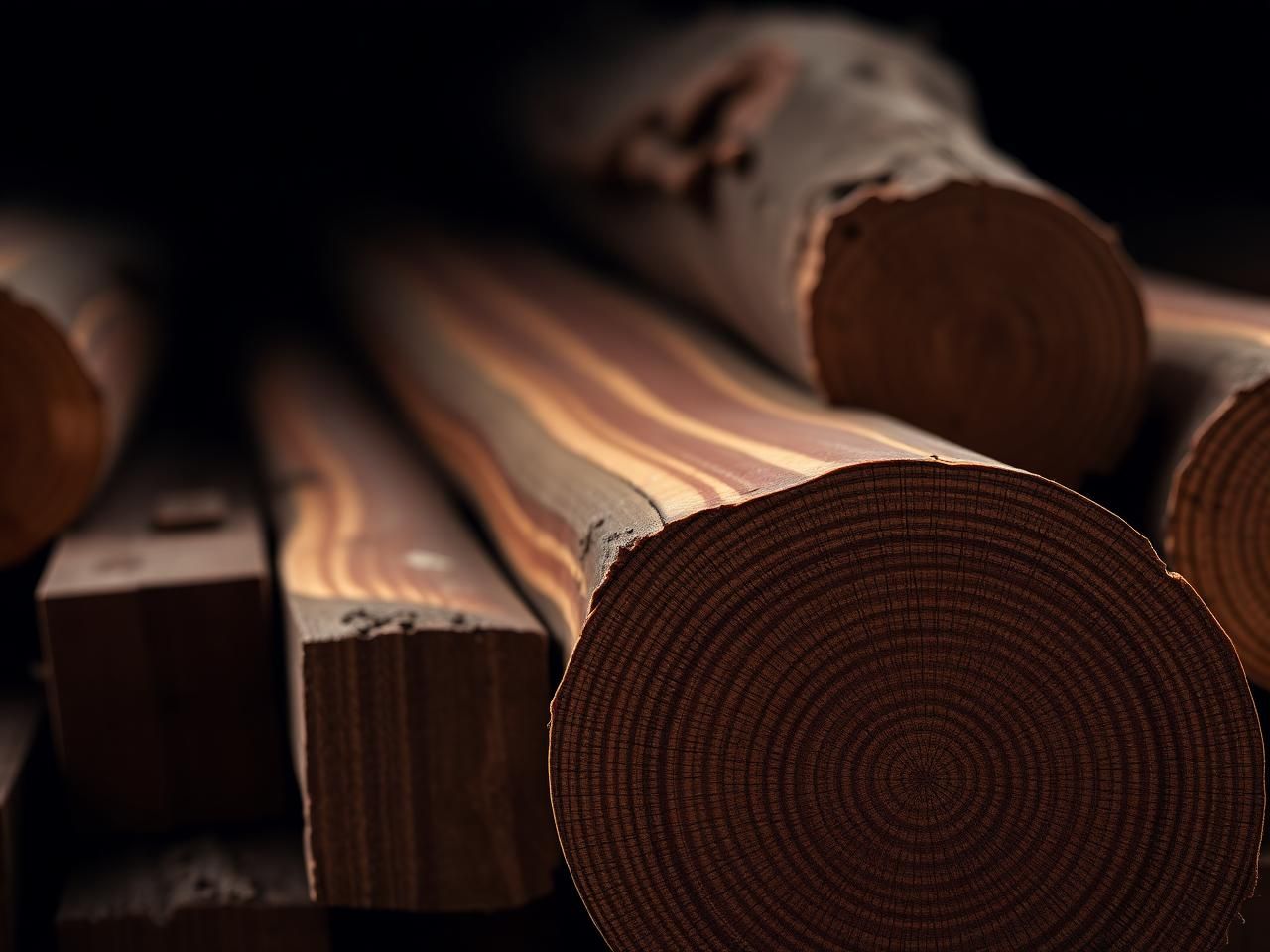
Botanical: Khaya ivorensis (the most-traded; also K. anthotheca and K. grandifoliola). Origin: Côte d'Ivoire, Ghana, Cameroon. Density: 560 kg/m³ at 12% MC. Janka hardness: 3,700 N. Heartwood: pinkish-red to medium reddish-brown. Durability class: 3 (moderately durable). Workability: excellent, the easiest African hardwood to machine and finish.
Why khaya dominates GCC furniture and doors
Machining ease, predictable colour and consistent supply. Khaya glues, screws, sands, stains and polishes with no surprises, a critical property for high-volume door and furniture programmes. Colour is more uniform than sapele, making large panel runs and door programmes easier to colour-match.
Khaya vs sapele
Khaya: lighter (560 vs 640 kg/m³), more open-grained, easier to machine, lighter pink-red. Sapele: denser, finer ribbon-stripe figure, harder to machine, deeper red-brown. Sapele is the premium specification for flagship hospitality and luxury furniture; khaya is the workhorse for residential and commercial joinery.
Applications
Doors and door skins, panelling, mouldings, furniture frames, kitchen cabinetry, hotel joinery, light marine joinery, plywood and blockboard cores. Less suitable for: exterior exposed use (durability class 3), heavy decking, and visible deck boards.