
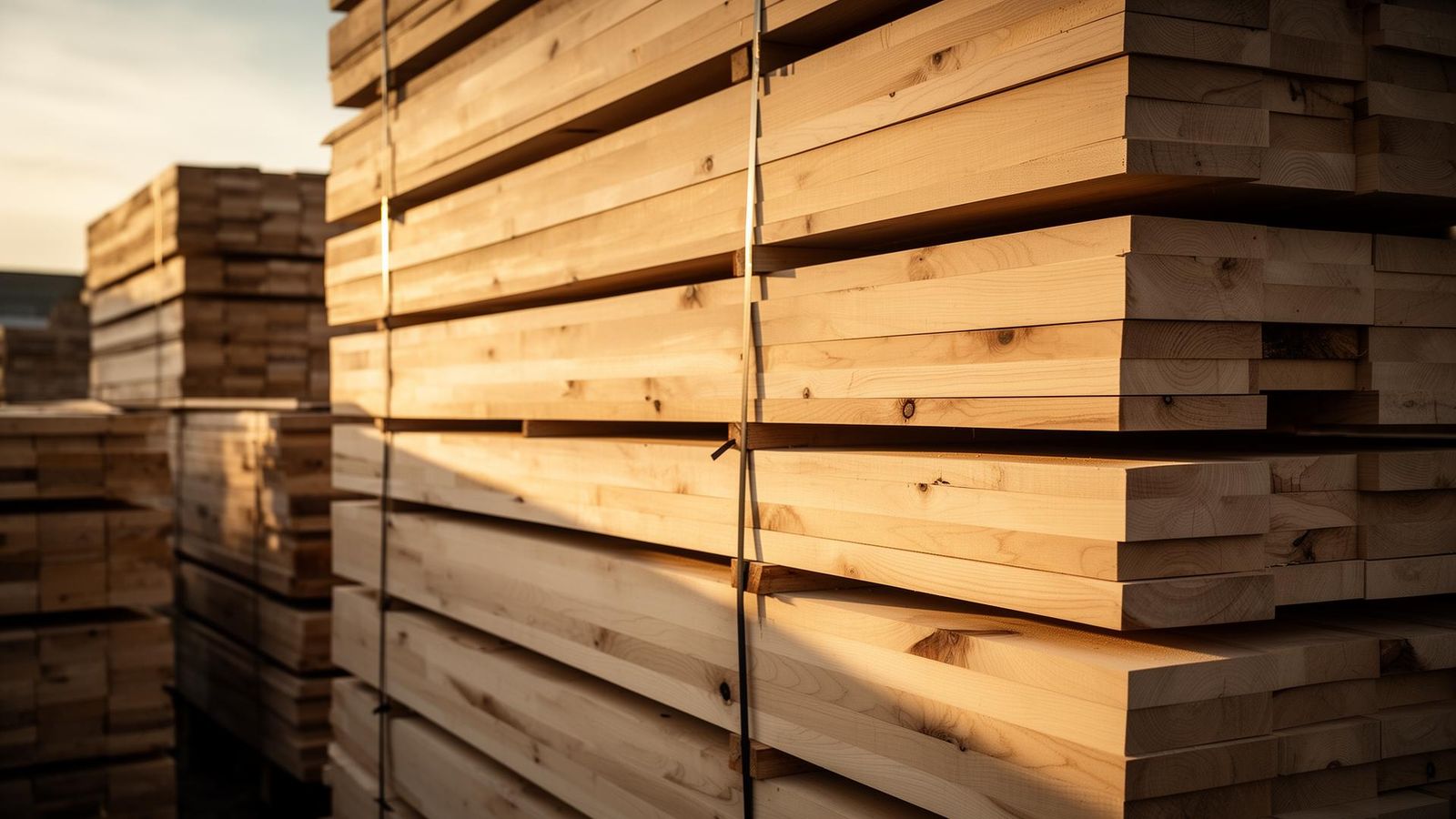
The European grading hierarchy
A / Prime (FAS-style): clear face, no allowable defects on the better face. Furniture exposed parts, table tops, premium joinery. AB: one clear face, minor sound knots on the back, premium furniture and cabinetry. B / Common-1: limited sound knots, small colour variation, drawer fronts, hidden joinery, mouldings. BC: more allowable defects, structural and laminating use, table aprons, frame stock, edge-glued panels. C / Industrial: knotty industrial grade for pallets, blocks, dunnage, finger-jointed stock and bentwood blanks.
NHLA grading for American beech
American beech follows the US National Hardwood Lumber Association (NHLA) rules: FAS (Firsts and Seconds), FAS-1F (one face FAS), Selects, 1 Common, 2A Common and 3A Common. FAS approximates European A/Prime; Selects approximates European AB; 1 Common approximates European B.
What grading rules actually measure
Grading is a function of the clear-area yield on the worse face of the board after cuttings are taken from acceptable areas. A FAS board must yield at least 83⅓% clear cuttings on the worse face; 1 Common 66⅔%. European grades follow similar yield-based logic but use different cutting size minimums.
Specifying grade on an RFQ
Quote the grading rule (e.g. "European A, DIN 68369") and the target grade band (e.g. "A or AB, 70/30 split"). Confirm whether the price includes grade tolerance (typically ±5% on grade allocation) and whether mill grade certification is required at the load port.