The two processes
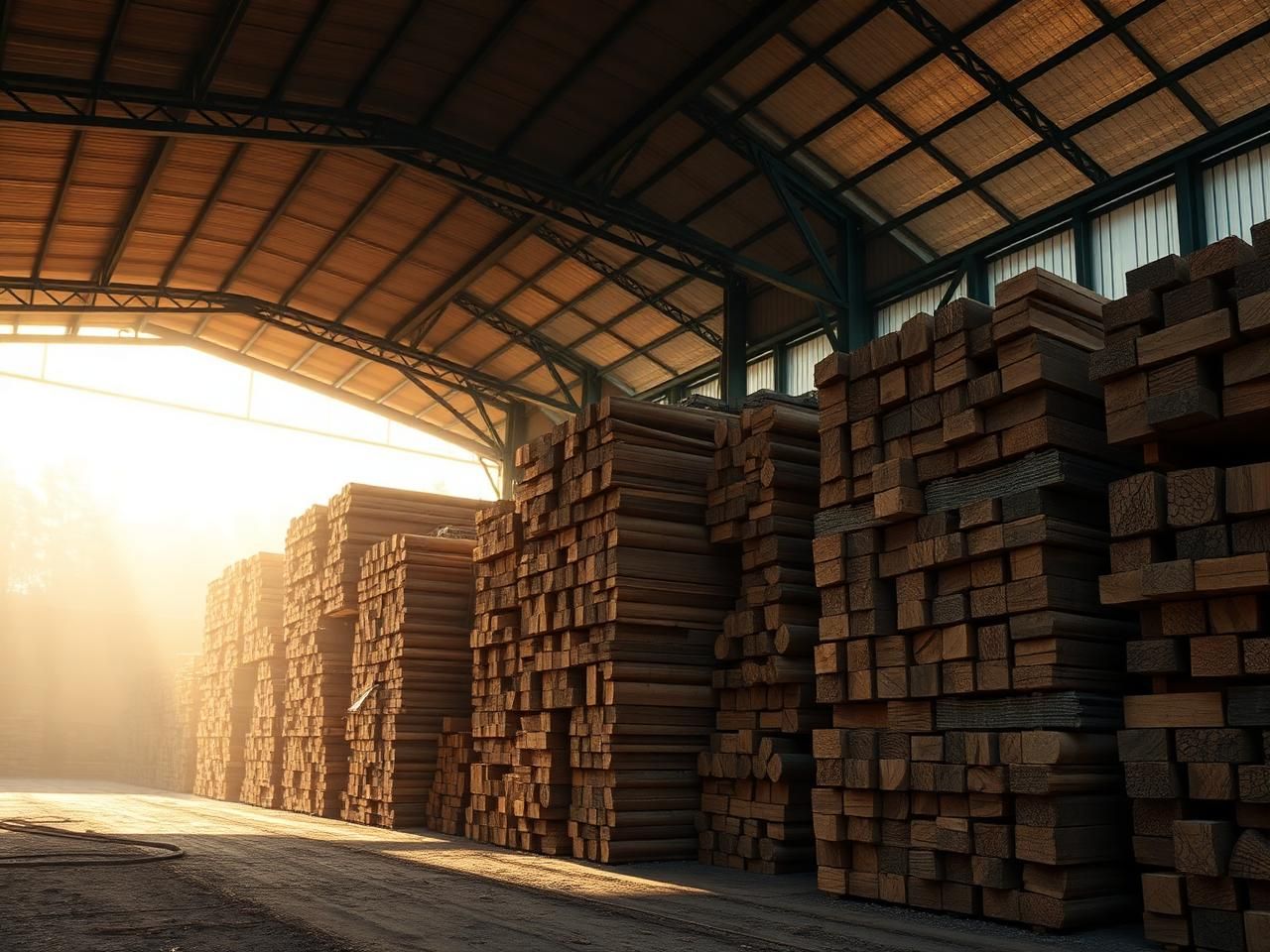
Kiln drying: forced drying in industrial chambers under controlled temperature and humidity, 1-6 weeks per charge, reaching a target MC of 8-14%. Air drying: open-stack drying under cover at ambient humidity, 6-18 months, reaching 16-25% MC depending on origin climate. Both are legitimate processes; the right choice depends on end use.
Why MC matters in the GCC
Equilibrium moisture content (EMC) in an air-conditioned GCC interior is typically 8-10%. Timber installed above this EMC will shrink in service; below, it will swell. KD hardwoods at 10-14% are close enough to EMC that movement is acceptable for stable joinery. AD hardwoods at 18-25% will continue drying on arrival, with cumulative shrinkage of 3-5% across the section. The result is gapping panels, sticking doors and cracked tops.
When AD is the right answer
Three cases. Re-sawing operations with their own finishing kilns: AD is the cheaper feedstock. Heavy construction and sleepers: MC is not critical, and KD is wasted money. Re-export operations: AD can be re-dried at destination to the buyer's spec. Outside these, KD is the default for GCC joinery.
Cost and lead time
KD adds 8-15% to landed cost and 1-3 weeks to lead time, depending on species and section. For premium joinery programmes the premium is recovered immediately in reduced waste, shorter site acclimatisation and lower defect rates.