
Density and hardness
Beech 680-750 kg/m³, Janka ~5,800 N. European oak 680-760 kg/m³, Janka ~5,400 N. White oak ~5,990 N. Ash 670-700 kg/m³, Janka ~5,900 N. The three species are mechanically interchangeable for most furniture and joinery duty. Selection is driven by grain, stainability, movement and aesthetic, not mechanical numbers.
Grain and aesthetic
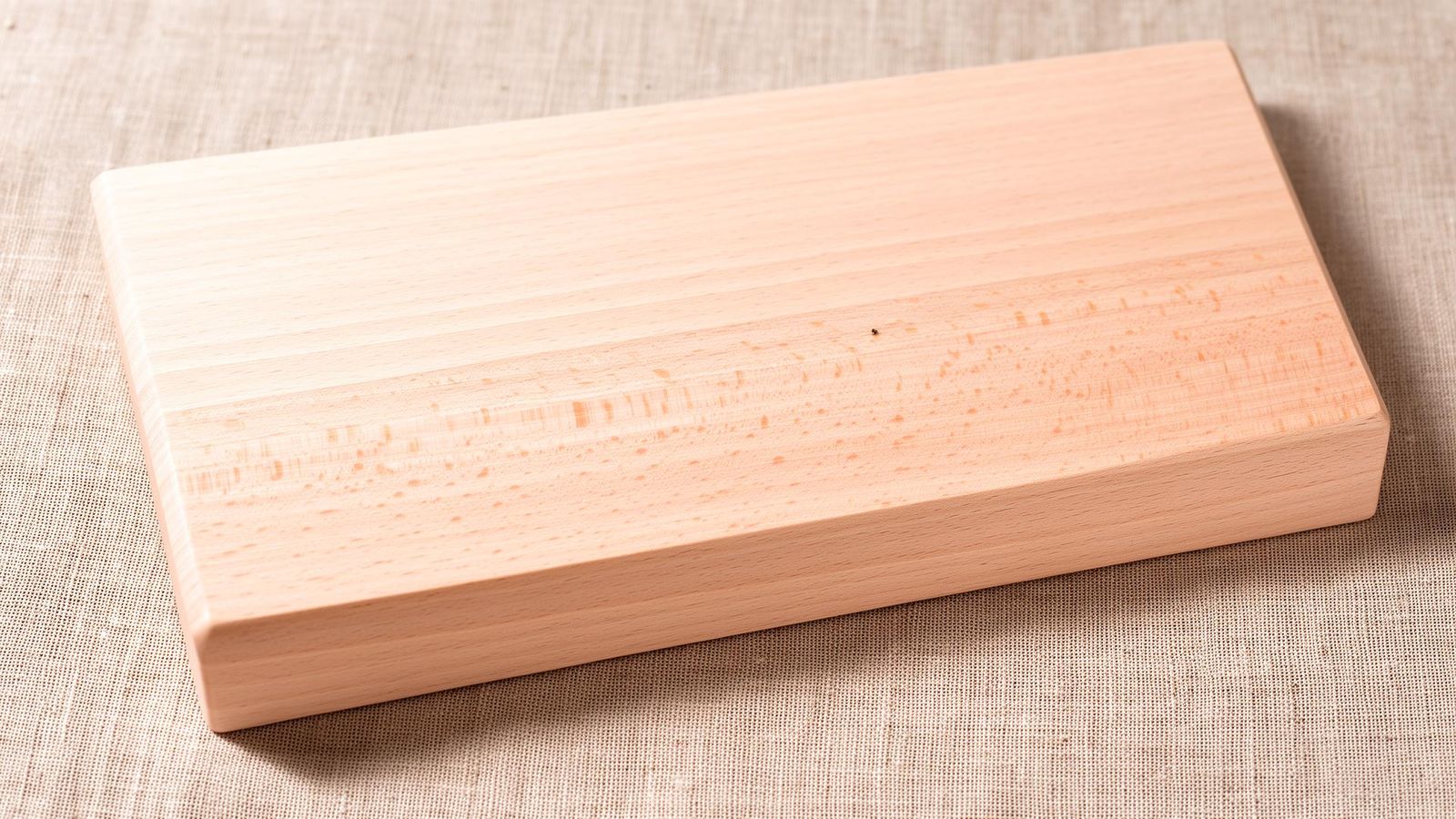
Beech: fine, straight, uniform, with characteristic small ray flecks on the quartersawn face, a clean, contemporary look. Oak: coarse, open-pored, prominent ray fleck on quartersawn (the "tiger" or "silver" figure), a traditional, architectural look. Ash: open-pored, straight, prominent grain figure, a sporting and Scandinavian-modern look.
Movement and stability
Beech has the highest tangential shrinkage of the three (~11.8%), requiring conservative kiln drying and a controlled installation environment. Oak is medium-high. Ash is medium. For high-RH applications (kitchens, bathrooms) oak is the safer bet; for controlled-environment furniture, beech is fine.
Where each species wins
Beech: bentwood furniture, plywood multiplex, kitchenware, toys, children's furniture, tool handles, machine pattern-making. Oak: architectural joinery, flooring, stair treads, exterior cladding (European oak), wine barrels. Ash: tool handles, sports goods (baseball bats, hockey sticks), Scandinavian furniture, kitchen and bedroom components.